

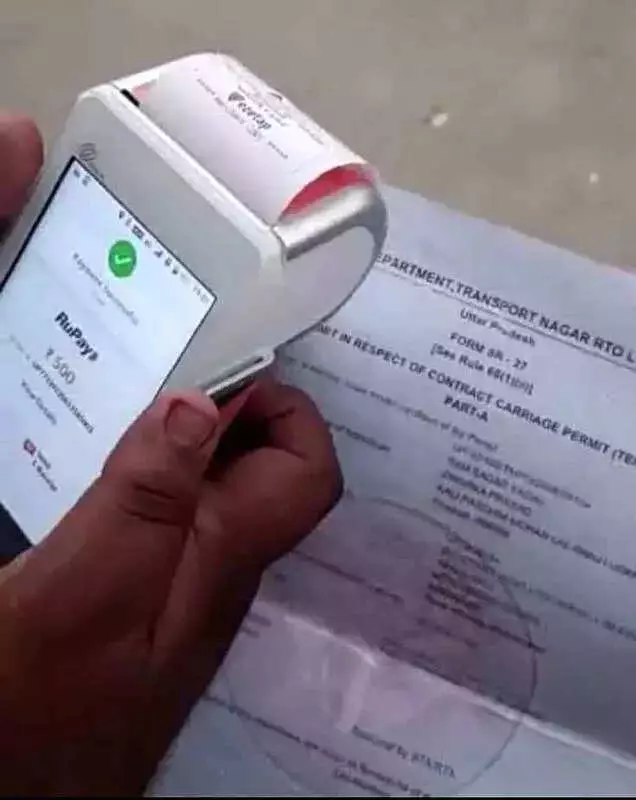
New Delhi: Have you recently received an SMS notification about a pending traffic challan with a convenient link to pay online? Exercise extreme caution before clicking. Cybercriminals are increasingly deploying sophisticated fake challan alerts as a primary method to defraud unsuspecting citizens across the capital.
Case Study: A Costly Click in Laxmi Nagar
A recent incident highlights the severe financial damage these scams can inflict. An elderly resident from east Delhi's Laxmi Nagar area was defrauded of a staggering Rs 2.5 lakh after he interacted with what appeared to be a routine challan payment request.
The Modus Operandi of the Fraud
The victim, a 65-year-old man, told police that his wife first received a message on January 13 from an unknown mobile number. The SMS contained a link purportedly for paying a minor vehicle challan of just Rs 500. Believing the communication to be genuine, she forwarded it to her husband for payment.

When the elderly gentleman attempted to pay the fine using his credit card via the provided link, the initial transaction seemed to process normally. However, the situation turned alarming within minutes. His card was billed for an additional Rs 2,49,246.61. Shockingly, this unauthorized transaction included a charge of SAR 10,350 in Saudi riyals, strongly indicating sophisticated international routing by the fraudsters, designed to complicate tracking and recovery.
The East District cyber police have registered a formal case for cheating and personation, and an investigation is underway.
Police Warning: A Rising Tide of Digital Deception
Law enforcement authorities are sounding the alarm, confirming that such frauds are witnessing a significant uptick. Scammers are expertly exploiting public fear of fines, licence suspension, and potential legal action. With the official rollout of WhatsApp-based challan alert systems, criminals have diversified their approach, now sending deceptive messages via SMS, WhatsApp, and even through malicious PDF attachments.
Identifying the Red Flags
Police officers caution the public to be vigilant for several clear warning signs:
- Urgent and Pressuring Language: Messages that create a false sense of urgency, demanding immediate payment to avoid severe consequences.
- Spoofed Identities: Scammers often impersonate the transport ministry, traffic police, or other government officials to appear legitimate.
- Unverified Sources: Any payment link, QR code, or payment request received from an unknown phone number or an unverified WhatsApp account should be treated with extreme suspicion.
- Missing Critical Details: Genuine challan notices always include specific information like the notice number, vehicle registration number, and the location of the alleged offence. Fraudulent messages typically omit these crucial identifiers.
- Non-Official Payment Channels: Requests for payment through third-party apps, unfamiliar websites, or unauthorized agents are major red flags.
These fraudulent links are designed to mimic official government portals but instead lead to sophisticated fake payment gateways. Their sole purpose is to harvest sensitive banking credentials, including card details and PINs, enabling criminals to siphon funds without the victim's authorization.
How to Protect Yourself: Essential Safety Protocols
To safeguard your finances, adhere strictly to these official guidelines:

- Use Official Channels Exclusively: Pay traffic challans only through the government's official Parivahan website (parivahan.gov.in) or its authorized mobile applications. Never use links provided in unsolicited messages.
- Verify Before You Trust: Always manually type and verify the website URL before entering any personal or financial information. Look for the secure 'https://' protocol and padlock icon.
- Check Challan Status Directly: Independently verify any alleged challan by checking your status using your vehicle registration number or driving licence number on the official portal.
The Critical 'Golden Hour' After a Fraud
Authorities emphasize the paramount importance of the first 60 minutes after discovering a fraud—termed the 'golden hour'. Swift action during this window dramatically increases the chances of blocking transactions and recovering stolen money.
If you become a victim, follow this immediate action plan:
- Call the Helpline: Immediately contact the National Cyber Crime Helpline at 1930.
- Lodge an Online Complaint: File a formal report on the official portal cybercrime.gov.in.
- Alert Your Bank: Inform your bank or card issuer without delay to block the compromised account or card and initiate a chargeback procedure for the unauthorized transaction.
As digital payment systems become more integrated into daily life, the onus is on citizens to practice cyber hygiene. By recognizing the tactics of scammers and adhering to secure payment practices, Delhiites can protect themselves from these financially devastating online traps.





