Delhi's Rs 14.85 Crore Digital Arrest Scam: A Complex Web of Deception
In a shocking case that highlights the growing threat of cybercrime, an elderly couple from South Delhi's affluent Greater Kailash-2 area was defrauded of Rs 14.85 crore in a meticulously planned "digital arrest" scam. The incident, which came to light on January 10, 2026, has led to the arrest of at least seven individuals across Gujarat, Uttar Pradesh, and Odisha by the Intelligence Fusion and Strategic Operations (IFSO) unit of the Delhi Police.
The Victims: Om and Indira Taneja
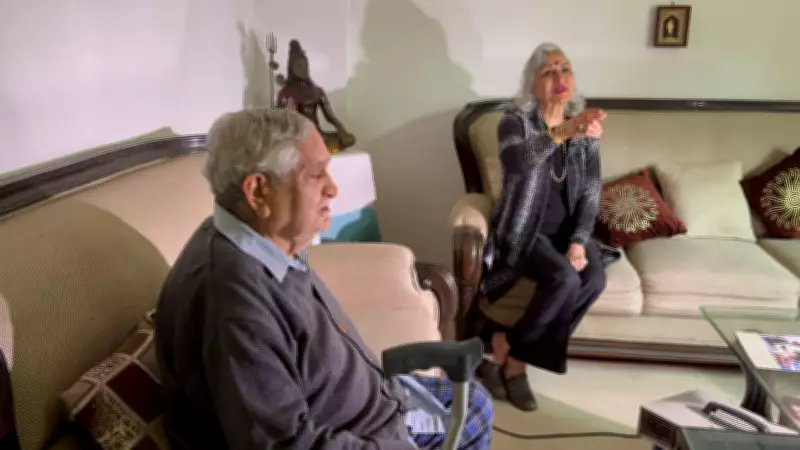
Om Taneja, 81, a former UN official, and his wife, Dr. Indira Taneja, 77, a retired dentist, live alone in Greater Kailash, with their children settled in the United States. Their peaceful retirement was shattered when they became targets of a sophisticated fraud scheme that allegedly involved impersonation of government officials and remote access to their devices.
The Scam Unfolds: From Lucknow Hotel to Delhi Homes
The scam allegedly began with a clandestine meeting on December 25 in a shabby room at the Gayatri Palace Hotel in Lucknow, Uttar Pradesh. Four men, aged between their late 20s and mid-40s, gathered to finalize a plan set in motion months earlier. This meeting marked the culmination of efforts to orchestrate a fraud that would drain the Tanejas' savings.

Investigators allege that the syndicate, operating from Cambodia and Nepal, recruited local facilitators to set up mule accounts, primarily using NGOs to handle large transfers. The accused installed APK files on phones, granting remote access to fraudsters abroad, who then controlled bank accounts and made calls to victims.
Key Arrests and Roles
The Delhi Police have arrested seven individuals:
- Mahavir Sharma alias Neel, 27, from Gujarat, a former SBI credit card salesman.
- Bhupendra alias Atul Mishra, 37, from Uttar Pradesh, an MBA graduate.
- Divyang Patel, 30, from Gujarat, a chartered accountant and founder of Floresta Foundation.
- Arun Kumar Tiwari, 45, from Uttar Pradesh, associated with Shivash Charitable Foundation.
- Pradyuman Tiwari, 44, from Uttar Pradesh, a priest facing financial difficulties.
- Shitole Krutik, 31, from Gujarat, an independent trader with an IT diploma.
- Aadesh Singh, 36, from Uttar Pradesh, a tutor.
These suspects allegedly acted as facilitators, funneling money into mule accounts on instructions from handlers abroad, who remain unidentified. Police recovered seven mobile phones and cheque books during the investigation.
Modus Operandi: Impersonation and Coercion
The fraudsters allegedly impersonated officials from agencies such as the police, Central Bureau of Investigation, and customs. They targeted victims by calling numbers in affluent neighborhoods, gauging financial standing through casual conversations.
In the Tanejas' case, the first call allegedly came from someone posing as a Telecom Regulatory Authority of India (TRAI) official, claiming a bank account in Indira Taneja's name was linked to a Rs 500-crore money-laundering case in Mumbai. This was followed by a call from a fake police officer, Vikrant Singh Rajput, who "summoned" her to Mumbai.
On December 25, the Lucknow team allegedly coerced the couple into joining a fake online Supreme Court hearing and a staged RBI verification process, leading to multiple transfers totaling Rs 14.85 crore. The money was routed through mule accounts and sent out of India via hawala channels.
Money Trail and Investigation
Of the defrauded amount, at least Rs 4 crore allegedly went to Divyang Patel's NGO account, while Rs 2.10 crore was credited to Arun Kumar Tiwari's account. Shitole Krutik allegedly acted as a facilitator for withdrawals and redistribution. Police have frozen Rs 1.9 crore so far, but tracking the rest has been challenging due to the use of mule accounts and international transfers.
The case was registered after the victims approached police on January 10, triggering a probe led by ACP Prem Khanduri and Sub-Inspector Raj Kiran. Coordinated raids across three states led to the arrests, though no commissions were paid to the facilitators, who were promised cuts later.

Broader Implications and Challenges
This case underscores the vulnerabilities in digital security and the exploitation of NGOs in cybercrime. Police note that mule account holders are often unaware of the larger operation, making investigations difficult. The syndicate's use of remote access apps and international networks highlights the need for enhanced cybersecurity measures and public awareness.
As cybercrime evolves, such incidents serve as a stark reminder for citizens, especially the elderly, to remain vigilant against unsolicited calls and digital threats.