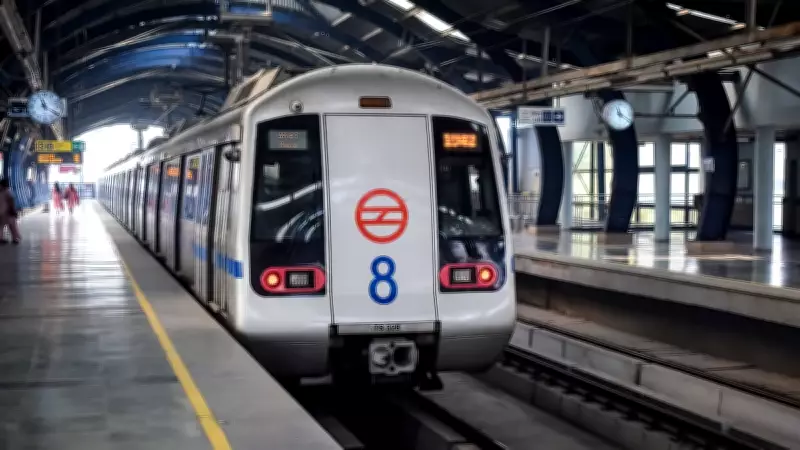
The Delhi Metro Rail Corporation (DMRC) is planning to introduce in-train audio advertisements on four of its metro lines, according to a report by PTI on 4 July 2026. This initiative aims to position the metro alongside leading global transit systems and airports that already use audio advertising as a revenue stream.
Scope and Implementation
The audio ads will be played on four major metro lines, though specific lines have not been named yet. The DMRC is expected to issue tenders for the audio advertising contract, inviting bids from agencies specializing in transit audio ads. The move follows similar practices in international metros like London Underground, New York Subway, and Singapore MRT, which have successfully integrated audio commercials into their train announcements.
Revenue and Passenger Experience
Audio advertising is expected to generate significant non-fare revenue for DMRC, which has been exploring various monetization avenues. The ads will be played during train journeys, likely between station announcements, ensuring minimal disruption to passenger information. DMRC officials stated that the content will be regulated to avoid excessive or intrusive advertising, maintaining a comfortable travel experience.

According to a DMRC spokesperson, “The audio ads will be carefully curated to ensure they do not interfere with essential announcements or cause annoyance to passengers. We are following global best practices to balance revenue generation with commuter satisfaction.”
Comparison with Global Systems
Transit systems in cities like London, New York, and Hong Kong have long used audio ads, often integrating them into automated announcements. For example, the London Underground plays sponsored messages before station stops, while some airports have branded boarding calls. DMRC’s plan aligns with this trend, potentially attracting advertisers targeting daily commuters—Delhi Metro serves over 2.5 million passengers daily.
Industry experts note that audio ads have higher recall rates than visual ads in transit, as commuters often have earphones or are in a captive environment. However, concerns about passenger irritation remain. DMRC plans to limit ad frequency and duration, possibly capping ads at 10-15 seconds per segment.
Next Steps
The DMRC will finalize the lines and ad formats after the tender process. The initiative is part of a broader strategy to increase non-ticket revenue, which currently includes station branding, digital screens, and retail spaces. If successful, audio ads could be expanded to other metro lines and even buses.