

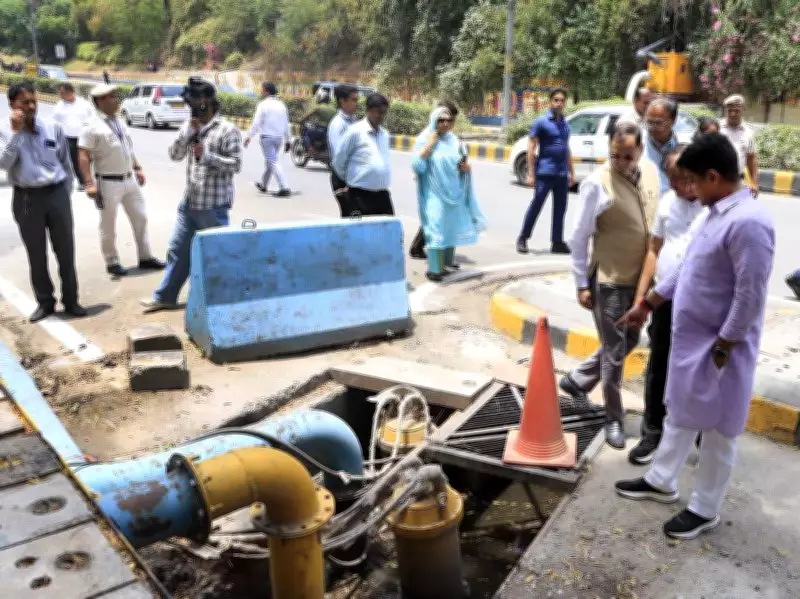
The New Delhi Municipal Council (NDMC) has taken proactive measures to combat waterlogging during the upcoming monsoon season by deploying sensor-based systems at critical hotspots across the city. These systems are designed to provide real-time data on water accumulation, enabling authorities to respond swiftly and mitigate the impact of heavy rainfall.
Real-Time Monitoring for Faster Response
The sensor-based systems will continuously monitor water levels at identified vulnerable points. When water reaches a pre-set threshold, alerts are automatically sent to the control room, allowing for immediate deployment of pumps and other drainage equipment. This technological upgrade aims to reduce the time taken to clear waterlogged areas and minimize inconvenience to residents.
Key Locations Covered
NDMC has identified several waterlogging-prone areas, including underpasses, low-lying roads, and major intersections. These hotspots have historically experienced significant water accumulation during heavy rains. The sensors will be installed at locations such as:

- India Gate underpass
- Minto Road bridge
- Barakhamba Road
- Connaught Place
Integration with Existing Infrastructure
The new system will be integrated with NDMC's existing drainage network and control room operations. This integration ensures that data from sensors is combined with information from weather forecasts and historical patterns to optimize resource allocation. The council has also deployed mobile teams equipped with portable pumps to assist in areas where fixed infrastructure is insufficient.
Additional Preparatory Measures
In addition to the sensor systems, NDMC has undertaken several other steps to prepare for the monsoon:
- Cleaning and desilting of drains and stormwater lines
- Repair and maintenance of pumping stations
- Installation of additional pumps at critical locations
- Training of field staff for emergency response
The council has also coordinated with the Municipal Corporation of Delhi and other agencies to ensure a unified approach to water management. Citizens are encouraged to report waterlogging incidents through the NDMC helpline or mobile app.
Expected Benefits
The sensor-based systems are expected to significantly improve the efficiency of waterlogging management. By providing real-time alerts, the NDMC can reduce response times from hours to minutes. This technology also helps in better planning and resource allocation, ultimately leading to fewer disruptions during the monsoon season.
NDMC officials have expressed confidence that these measures will help maintain smooth traffic flow and prevent major waterlogging incidents in the capital. The council will continue to monitor the situation and make adjustments as needed based on feedback and performance data.






