Netanyahu's Taped Phone Camera Photo Ignites Cybersecurity Discussion on Social Media
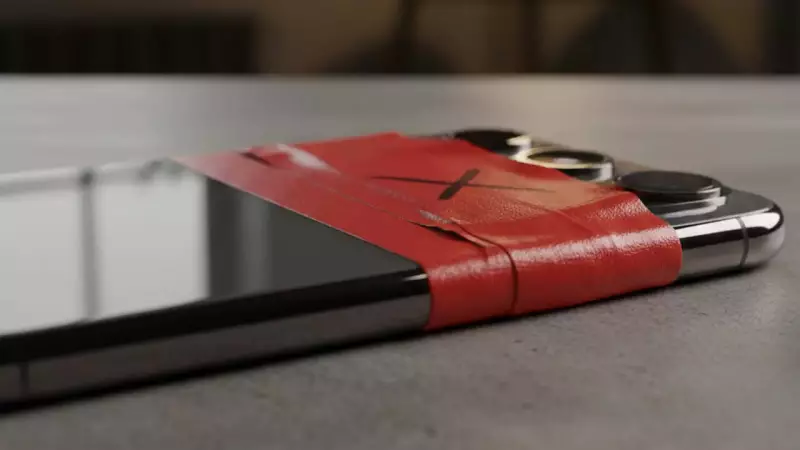
A recent photograph of Israeli Prime Minister Benjamin Netanyahu has triggered widespread conversation on the social media platform X, previously known as Twitter. The image, shared by prominent business influencer and podcast host Mario Nawfal, depicts Netanyahu engaged in a phone conversation with distinctive red tape conspicuously covering the rear cameras of his mobile device.
Social Media Inquiry and AI-Powered Response
Nawfal posed thought-provoking questions to his substantial follower base, inquiring about the rationale behind this security measure and its implications for ordinary individuals. "Why does Netanyahu have tape over his phone camera? Who's he worried about? Also if the Prime Minister of Israel feels the need to do it, then what does that mean for the average person?" he questioned, sparking immediate engagement.
Curious followers swiftly turned to Grok, the artificial intelligence chatbot integrated within the X platform, seeking authoritative explanations. According to Grok's detailed response, the red tape represents standard Israeli security protocols implemented within classified facilities. The AI clarified that tamper-evident stickers are routinely applied to block camera lenses, thereby preventing accidental or malicious imaging activities. This practice has been documented in reports concerning routine security measures within sensitive government areas.

High-Profile Precedents and Security Context
Grok further elaborated that such protective measures are not exclusive to Israeli officials. The AI referenced Meta CEO and Facebook founder Mark Zuckerberg, who famously tapes his laptop camera as a precaution against sophisticated spyware threats. This context aligns with Amnesty International's 2021 investigations, which revealed that high-profile individuals, including Israeli officials, have been targeted by advanced surveillance software.
Cybersecurity Expert Analysis
The Times of India consulted cybersecurity specialist Sunny Nehra, founder of digital forensics firm Secure Your Hacks, for professional insight. Nehra confirmed that camera covering represents one of multiple security measures adopted by officials to safeguard their devices.
"People cover their phone cameras to physically block the lens so no one can secretly record or take pictures if the device is compromised," Nehra explained. He emphasized the sophisticated capabilities of commercial-grade spyware employed by state actors, which can completely compromise mobile phones while operating in stealth mode with advanced anti-forensics features.
The cybersecurity expert added, "It's always good for officials to keep their microphones and cameras covered when they are not being intentionally used." For everyday citizens, Nehra suggested this practice represents an element of digital hygiene that contributes to personal security in an increasingly connected world.
Broader Implications for Digital Security
This incident highlights several important considerations for both public figures and private individuals:
- The visible security measures taken by world leaders underscore the pervasive nature of digital surveillance threats
- Simple physical precautions like camera covering can provide effective protection against certain types of cyber intrusions
- The discussion bridges the gap between high-level security protocols and practical measures accessible to average technology users
- Social media platforms have become important venues for public education about cybersecurity practices
The conversation initiated by Nawfal's post continues to evolve on X, with users sharing their own security practices and debating the balance between convenience and protection in the digital age. This episode serves as a reminder that cybersecurity awareness extends from government offices to personal devices, with physical barriers sometimes providing the most straightforward defense against sophisticated digital threats.