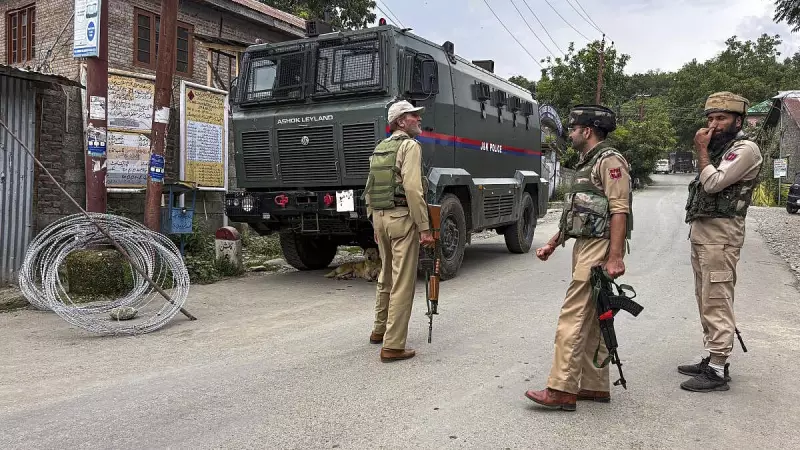
The Jammu and Kashmir administration has implemented significant new restrictions on the use of Virtual Private Networks (VPNs) across the union territory. This move, aimed at curbing cybercrime and illegal activities, directly impacts how residents, businesses, and visitors access the internet.
Understanding the New VPN Rules in Jammu & Kashmir
Authorities in Jammu and Kashmir have taken a firm stance against the misuse of VPN services. The primary goal is to prevent activities that threaten national security and public order. The restrictions are part of a broader effort to monitor and regulate online traffic, especially content that could incite violence or spread misinformation.
The new rules mean that using a VPN to access banned websites or social media platforms is now a punishable offense. This specifically targets attempts to circumvent government-ordered internet shutdowns or blocks. The administration has empowered law enforcement agencies to take strict action against individuals and organizations found violating these norms.
Potential Penalties and Legal Consequences
Violating the VPN restrictions can lead to serious legal repercussions. Individuals caught using VPNs to bypass government bans may face charges under relevant sections of the law. The authorities have not specified uniform penalties, but consequences could range from fines to more severe legal action, depending on the nature and severity of the violation.
This development is particularly crucial for businesses, educational institutions, and journalists operating in the region. Many rely on VPNs for secure communication, accessing global tools, or research. The new rules necessitate a careful review of their digital practices to ensure compliance and avoid unintended legal issues.
Impact on Daily Life and Digital Freedom
The restrictions have sparked a debate around digital rights and internet freedom in Jammu and Kashmir. While the government cites security concerns as the primary reason, critics argue that such measures limit access to information and tools essential for privacy and work.
For the average user, the message is clear: using a VPN to access content specifically blocked by government orders is illegal. However, the use of VPNs for legitimate security purposes on websites and services that are not banned may exist in a grey area, though caution is strongly advised.
Residents and visitors are encouraged to stay updated on the official guidelines issued by the Jammu and Kashmir administration. As the digital landscape evolves, these rules may be subject to clarification or change. For now, understanding and adhering to these restrictions is paramount to avoid legal trouble.
The move underscores the ongoing tension between state security priorities and individual digital liberties in sensitive regions. It places the onus on internet users in Jammu and Kashmir to be more vigilant about their online activities and the tools they use.