

NIA Special Court Delivers Verdict in Cross-Border Espionage Conspiracy
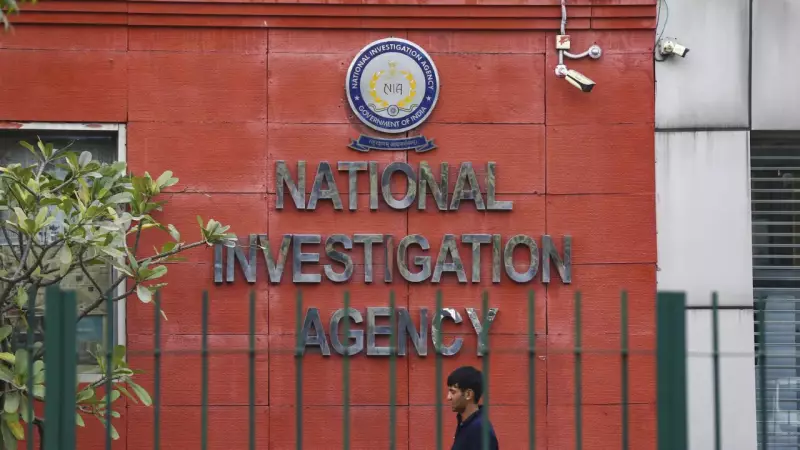
The National Investigation Agency (NIA) special court in Visakhapatnam has delivered a significant verdict in a high-profile espionage case with international implications. On Tuesday, the court sentenced a key accused involved in a Pakistan-led conspiracy that exploited mobile SIM cards and social media platforms for intelligence gathering activities against India.
Guilty Plea Leads to Conviction
The accused, identified as Altafhusen Ghanchibhai alias Shakil, had pleaded guilty during the ongoing trial proceedings. The prosecution had already examined 37 witnesses in the case before the court reached its conclusion. The special court convicted Ghanchibhai for misusing unique identification features including SIM cards and One-Time Passwords (OTPs), along with social media platforms.
Sentencing Details and Legal Provisions
The court pronounced its orders against the accused with specific sentencing under multiple legal provisions:

- Simple imprisonment for five years and six months with a fine of Rs 5,000 under Section 18 of the Unlawful Activities (Prevention) Act
- Simple imprisonment for two and a half years with a fine of Rs 5,000 under Section 66C of the Information Technology Act, 2000
The court directed that both sentences would run concurrently, meaning the maximum term of imprisonment would be five and a half years.
Complex Cross-Border Espionage Operation
The investigation revealed a sophisticated cross-border conspiracy that exploited vulnerabilities in communication systems. The case involved Indian SIM cards belonging to fishermen who had been arrested by the Pakistan Navy while fishing on the High Seas. After seizing mobile phones and SIM cards from these fishermen, Pakistani authorities activated these Indian SIM cards through the accused in India to facilitate espionage activities.
Modus Operandi of the Espionage Network
NIA's meticulous investigation conclusively established the operational details of this espionage network. The accused inserted the Indian SIM cards into his mobile handset and generated One-Time Passwords (OTPs), which he then shared with Pakistani Intelligence Operatives (PIOs). This enabled the operation of Indian WhatsApp numbers directly from Pakistan.
The compromised Indian numbers were subsequently used by Pakistani intelligence operatives to contact personnel from India's defence establishment under fake identities. The primary intent was to elicit sensitive and restricted defence-related information, posing a direct threat to India's unity, integrity, security, and sovereignty.
NIA's Continued Vigilance Against Cyber Threats
The National Investigation Agency continues its comprehensive efforts to counter cyber-enabled and other cross-border terrorist and espionage activities. This case represents part of the agency's broader strategy to identify, investigate, and bring to justice all offenders involved in activities that threaten national security through digital means.
The verdict serves as a strong message about India's commitment to protecting its digital infrastructure and national security interests against foreign intelligence operations. It highlights the evolving nature of espionage in the digital age and the importance of robust cybersecurity measures to safeguard sensitive information.

