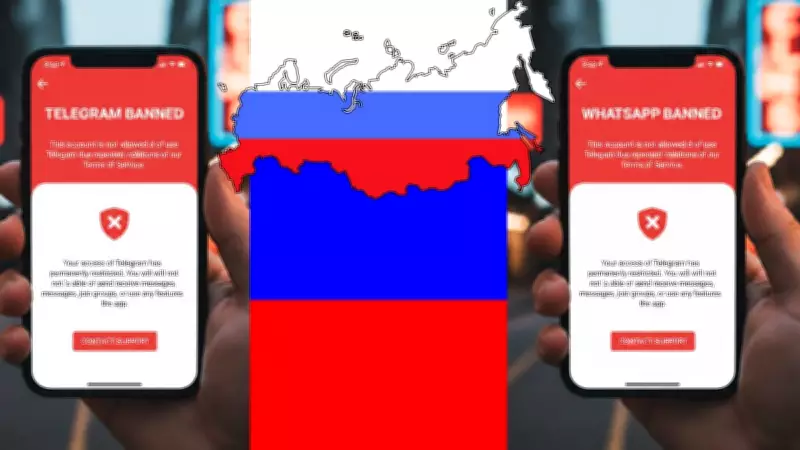
Russia Enforces Telegram Ban with Heavy Fine and Mandates State-Backed Max App by 2026
In a significant move impacting digital communication, Russia has officially banned the popular messaging app Telegram, imposed a substantial fine of Rs 7.5 crore, and mandated the adoption of the state-backed Max app by 2026. This decision, announced on February 13, 2026, marks a pivotal shift in the country's approach to online platforms and cybersecurity.
Details of the Ban and Financial Penalty
The Russian government has cited security concerns as the primary reason for banning Telegram, a platform widely used for its encryption and privacy features. Authorities argue that the app poses risks to national security by enabling unmonitored communication, which could be exploited for illegal activities. Alongside the ban, a fine of Rs 7.5 crore has been levied against Telegram for non-compliance with local regulations, highlighting the government's strict stance on digital governance.
Introduction of the State-Backed Max App
As part of this policy shift, Russia has mandated the use of the state-backed Max app by 2026. This new application is designed to offer secure messaging services while ensuring compliance with Russian laws and surveillance requirements. The Max app is expected to provide features similar to Telegram but with enhanced government oversight, aiming to balance user convenience with national security interests.

Implications for Users and the Tech Industry
The ban on Telegram and the introduction of the Max app have far-reaching implications:
- User Impact: Millions of Telegram users in Russia will need to transition to the Max app or alternative platforms, potentially disrupting personal and business communications.
- Cybersecurity Concerns: This move raises questions about data privacy and government surveillance, as the Max app may allow authorities greater access to user data.
- Global Tech Landscape: Russia's decision could influence other countries considering similar measures to regulate messaging apps, setting a precedent for state-controlled digital ecosystems.
Broader Context and Future Outlook
This development is part of Russia's broader efforts to tighten control over digital platforms, following previous clashes with tech companies over data localization and content moderation. By 2026, the mandatory adoption of the Max app is expected to reshape the messaging app market in Russia, potentially reducing reliance on foreign technology and fostering domestic innovation. However, it also sparks debates on digital freedom and the balance between security and privacy in the modern era.