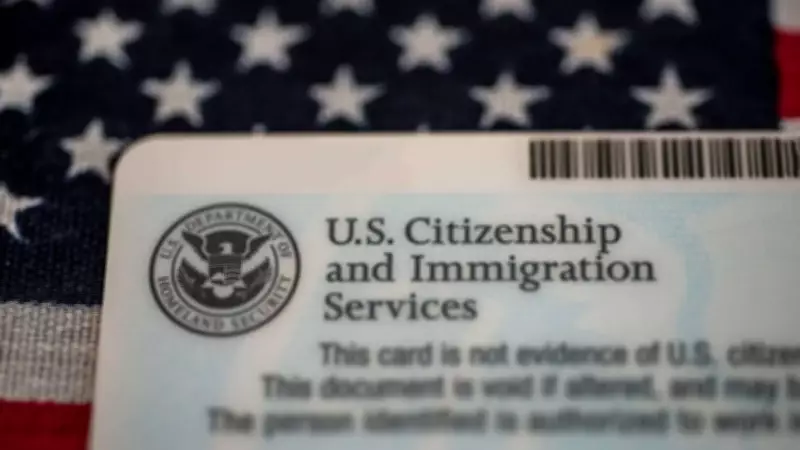
The US Department of Homeland Security has issued an interim rule detailing how it would reject applications if officers deem some signatures invalid. Published in the Federal Register on May 11, 2026, the rule grants USCIS broader authority to reject or deny immigration benefit requests when signature problems are identified, even after an application has been accepted for processing. The interim rule is now open to receive public comments and will come into effect from July 10, 2026.
Background of the Rule
The rule is not new, but the DHS stated that previously it was applied inconsistently and applicants did not clearly understand how USCIS handles deficient signatures. The new regulation aims to standardize the process and provide clear guidance.
Acceptable Signatures: Dos
- Handwritten signature remains the gold standard.
- Scanned copies of the original wet-ink signature are also acceptable.
- Faxed or photocopied versions of originally signed documents are fine.
- Certain electronic signatures are valid only in limited USCIS-authorized online filing situations.
Unacceptable Signatures: Don'ts
- Copy-paste signatures
- Digitally generated signatures
- Signature stamps
- Signatures by anyone other than the requestor (including the attorney)
- Auto-generated signatures
- Signatures generated by software
Small Rule but Big Impact
This is a small rule, but immigration experts have drawn the attention of applicants to this tiny change as it will have a huge impact if USCIS denies a case after processing has begun. Applicants risk losing filing fees, and if they have to file again, their dates get delayed. There is no 'cure' for a deficient signature other than refiling, which would delay the case, the agency clarified.

Who Does the New Signature Rule Apply To?
Everyone who falls under the immigration framework comes under the new signature rule. Experts warned that for cases with a statutory deadline, such as H-1B cap cases and PERM-backed I-140s, if a signature denial is discovered after 18 months, the entire filing window is lost.
5 Things Employers Should Do
Immigration lawyer Kirsten Crovello recommended that employers follow these five steps from now on:
- Verifying all required signature fields before filing
- Maintaining records of original wet-ink signatures
- Avoiding signature software unless explicitly authorized
- Reviewing USCIS form instructions carefully for each filing type
- Training staff on signature compliance standards
About the Author: TOI World Desk. At TOI World Desk, our dedicated team of seasoned journalists and passionate writers tirelessly sifts through the vast tapestry of global events to bring you the latest news and diverse perspectives round the clock. With an unwavering commitment to accuracy, depth, and timeliness, we strive to keep you informed about the ever-evolving world, delivering a nuanced understanding of international affairs to our readers. Join us on a journey across continents as we unravel the stories that shape our interconnected world.