Mandatory Electrification from January 2027
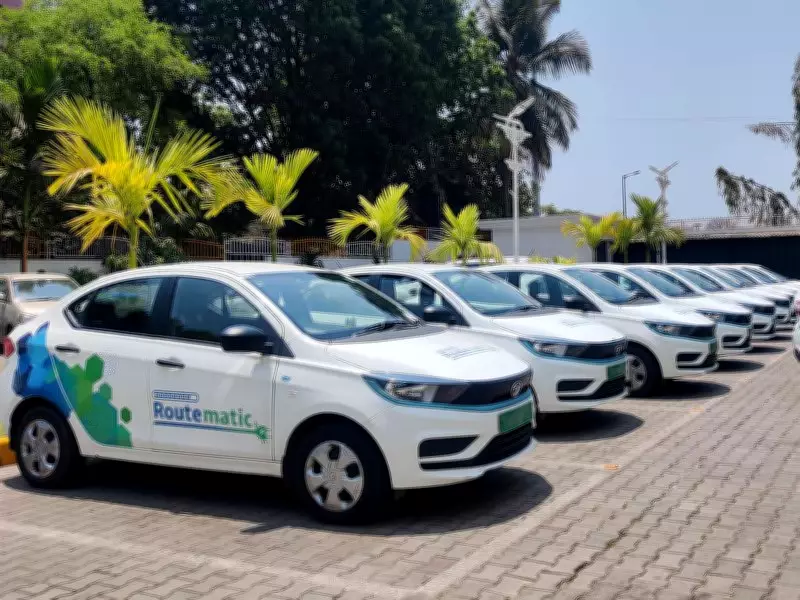
The Delhi government's new Electric Vehicle (EV) Policy mandates that all new L5 passenger and goods three-wheelers and N1 category goods carriers—commercial vehicles with a gross vehicle weight of up to 3.5 tonnes—must be registered as electric vehicles from January 1, 2027. This measure targets last-mile logistics and commercial transport to accelerate zero-emission mobility.
Incentives for Electric Trucks
For freight operators, the policy offers a major incentive: the first 1,000 N2 electric trucks (gross vehicle weight between 3.5 and 12 tonnes) purchased within three months of the policy's notification will receive a 10-year exemption from Delhi's 'No Entry' time restrictions. This exemption allows eligible electric trucks to enter the city during hours when conventional heavy vehicles face movement restrictions, improving operational flexibility for transporters.
Impact on Fleet Owners and Logistics
The policy has immediate and long-term implications for businesses dependent on commercial transport. Fleet operators and logistics companies can benefit from lower fuel and maintenance costs over time, plus operational advantages like unrestricted entry for N2 electric trucks. Intra-city logistics, e-commerce, and distribution firms may gain scheduling flexibility. However, businesses planning to purchase new commercial vehicles after January 2027 must factor in higher upfront costs of EVs, charging infrastructure availability, and financing requirements. The policy does not prohibit continued use of existing diesel, petrol, or CNG commercial vehicles, but future fleet expansion in affected categories will increasingly be electric.

Understanding N1 and N2 Categories
Commercial vehicles are classified under the Central Motor Vehicles Rules based on Gross Vehicle Weight (GVW). N1 vehicles are light commercial goods carriers with GVW up to 3.5 tonnes, used for urban freight, last-mile deliveries, courier services, FMCG distribution, and small-scale cargo. Typical examples include mini trucks, pickup vehicles, and light cargo vans. Under the new policy, only electric N1 vehicles will be eligible for fresh registration from January 1, 2027. N2 vehicles are medium commercial goods carriers with GVW from 3.5 to 12 tonnes, commonly used for transporting industrial goods, construction material, wholesale supplies, and medium-distance freight. To encourage early adoption, the government offers the 10-year 'No Entry' exemption for the first 1,000 electric N2 trucks purchased within three months.
Why These Changes Matter
The commercial transport sector contributes significantly to Delhi's vehicular emissions. By mandating electrification of new light commercial vehicles and incentivizing medium-duty electric trucks, the government aims to reduce air pollution and promote cleaner freight mobility. The policy signals a gradual transition where businesses investing in new commercial fleets will increasingly adopt electric vehicles, making electrification a key consideration for transport operators in the coming years.