India's Fastest Delhi-Meerut RRTS Corridor Opens Sunday: 10 Crucial Facts
India's transportation landscape is set for a revolutionary transformation as the highly anticipated Delhi-Ghaziabad-Meerut Rapid Rail Transit System (RRTS) corridor prepares for its grand public opening this Sunday. This 82-kilometer infrastructure marvel promises to redefine urban connectivity between Delhi, Ghaziabad, and Meerut, offering unprecedented speed and efficiency for daily commuters.
Flag-Off of Initial Trains Marks Official Launch
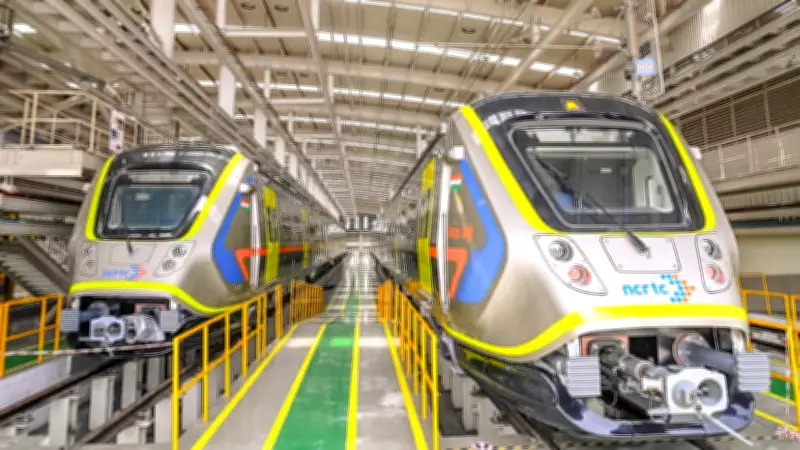
Two inaugural trains will commence operations from Shatabdi Nagar station, with one heading toward Sarai Kale Khan and another operating as the Meerut Metro service. This simultaneous launch represents the official public debut of the RRTS corridor and its state-of-the-art train services, marking a significant milestone in India's public transportation development.
Current Operational Stretch and Expansion
Currently, a substantial 55-kilometer section of the corridor is already operational, efficiently serving commuters across 11 stations from New Ashok Nagar to Meerut South. This existing segment has been functioning smoothly while the remaining portion underwent rigorous testing and preparation for integration into the complete network.

Successful Trial Completion Ensures Readiness
The remaining segment of the corridor successfully completed comprehensive trial runs in August 2025, confirming full operational readiness. These extensive trials verified both safety protocols and operational efficiency, ensuring a seamless transition to full corridor operations without compromising passenger security or service quality.
Inauguration of Key Station Hub
The Sarai Kale Khan Namo Bharat station, one of the largest and most strategically important stations on the Delhi stretch, will be formally inaugurated. This station has been operationally ready since July 2025 and is positioned to serve as a central transportation hub, facilitating smooth transfers and connectivity for thousands of daily commuters.
Enhanced Train Frequency for Commuters
Currently, Namo Bharat trains operate with a frequency of every 15 minutes, providing reliable connectivity. Following the full corridor launch, this frequency will improve significantly to trains every 10 minutes, substantially reducing waiting times and enhancing overall commuter convenience throughout the operational day.
Revolutionary Travel Time Efficiency
Commuters will experience remarkable time savings, traveling from Sarai Kale Khan in Delhi to Modipuram in Meerut in just 58 minutes. This represents a dramatic improvement over traditional road transport options, offering a fast, reliable alternative that will significantly ease regional travel burdens and congestion.
Advanced Design and Operational Speed
The RRTS trains feature an impressive design speed of 135 kilometers per hour with a maximum operational speed of 120 kilometers per hour. This makes the corridor one of India's fastest metro-style transit systems, specifically engineered for rapid intercity connectivity while maintaining passenger comfort and safety standards.
Meerut Metro Stretch Details
The Meerut Metro will operate along a dedicated 21-kilometer stretch from Meerut South to Modipuram, covering 12 stations in approximately 30 minutes. This segment provides Meerut residents with a quick, efficient urban transit solution, significantly improving mobility within the city's expanding metropolitan area.
India's Fastest Metro System Achievement
With its combination of high speeds, modern infrastructure, and frequent service intervals, the complete RRTS corridor, including the Meerut Metro extension, is positioned to become India's fastest metro system. This achievement represents a major advancement in urban mobility infrastructure, promising to improve connectivity for thousands of daily passengers while setting new standards for rapid transit in the country.

The opening of this corridor represents more than just another transportation project—it signifies a fundamental shift in how urban centers connect and commuters travel across India's National Capital Region. The enhanced connectivity, reduced travel times, and improved frequency will likely have far-reaching economic and social impacts on the regions served by this innovative rapid transit system.