The Delhi Metro Rail Corporation (DMRC) is rolling out a new last-mile connectivity service starting January 31. This initiative aims to bridge the gap between metro stations and final destinations for commuters across the city.
Partnership with Cooperative Society
DMRC has joined forces with Sahkar Taxi Cooperative Ltd (STCL), a multi-state cooperative society. STCL operates the mobility platform called 'Bharat Taxi'. This platform is an initiative of the ministry of cooperation. It promotes cooperative-based economic models while ensuring fair and transparent service delivery to users.
Services and Stations
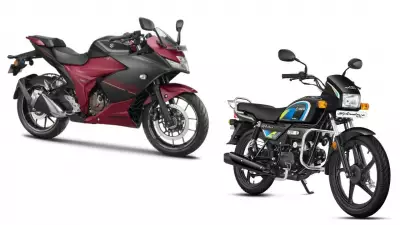
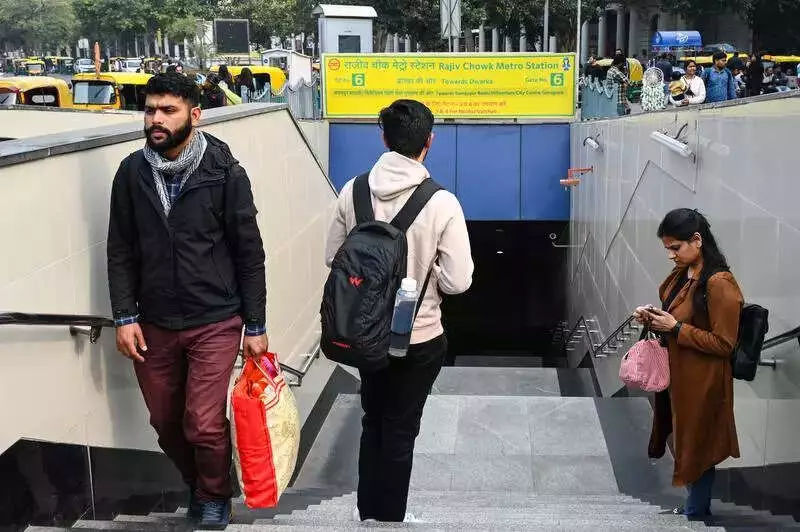
The new service will provide bike taxis, auto-rickshaws, and cabs from 10 metro stations. These stations are located near major market hubs. Key stations include Lajpat Nagar, Rajiv Chowk, New Delhi, Nehru Place, and Millennium City Centre. The service will operate on a marketplace or aggregator model, similar to other ride-hailing platforms.

Pilot Phase and Digital Integration
In the initial pilot phase, dedicated bike taxi services will launch at two stations. These are Millennium City Centre and Botanical Garden. The pilot will help assess commuter response, operational feasibility, and service effectiveness before wider expansion.
Anuj Dayal, principal executive director of corporate communications at DMRC, explained the digital aspect. The Bharat Taxi mobile app will integrate with the DMRC Sarthi application. This integration creates a unified digital platform for passengers. Commuters can plan, book, and access both metro and last-mile services in a single journey flow.
Benefits for Commuters
A Delhi Metro official highlighted the advantages of this digital approach. Passengers will be able to identify available last-mile options at metro stations. They can obtain fare estimates, track vehicles, and complete their journeys conveniently. This system is expected to improve transparency, reduce waiting times, and enhance overall service reliability for metro users.
Fare Structure and Affordability
Fare rates will remain competitive compared to existing market offerings. While peak-hour pricing may apply based on demand variations, peak-time fare surges will be capped. This measure ensures affordability and protects passenger interests. The fare structure aims to balance passenger convenience with the economic sustainability of service providers.
Existing Last-Mile Connectivity
Currently, last-mile connectivity is available at 158 metro stations across Delhi and the National Capital Region (NCR). This includes e-auto services at 44 stations. So far, Delhi Metro has deployed a total of 1,445 e-autos to support commuter mobility.
The new partnership with Sahkar Taxi Cooperative represents a significant step forward. It expands options for metro commuters seeking efficient and reliable transportation solutions for the final leg of their journeys.