Delhi Metro Museum: A Hidden Gem in the Heart of the City
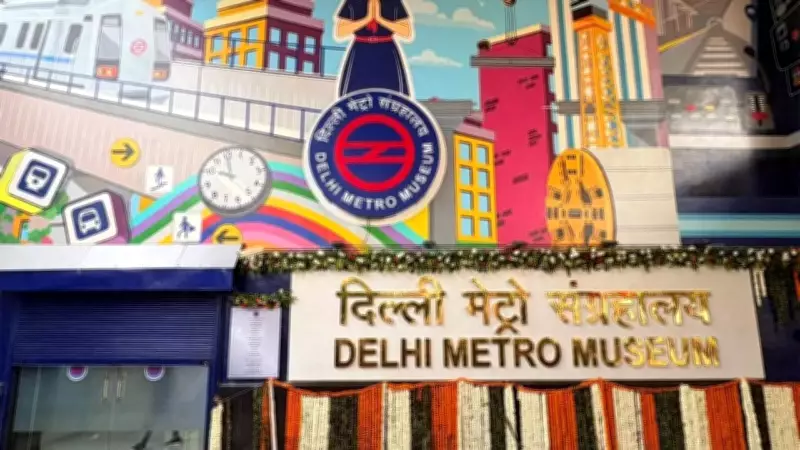
Amid the bustling crowds and constant motion of daily commuters, the Supreme Court Metro Station in Delhi offers a unique escape into the history and engineering marvels of the city's metro system. Tucked away within this busy transit hub, the Delhi Metro Museum provides an educational and recreational experience that traces the over-two-decade journey of one of India's most advanced urban transit networks.
An Immersive Experience Through Technology and Models
Spread across 12,000 square feet in its initial phase, the museum serves as both an educational resource and entertainment venue. The centerpiece attraction is a full-scale train simulator that meticulously recreates a metro driver's cabin, allowing visitors to experience firsthand what it feels like to operate a train through Delhi's complex network.
Another significant highlight is a detailed working model of a running train that showcases both underground and elevated sections, complete with bridges and viaducts. This display helps visitors visualize the intricate infrastructure that makes the metro system function seamlessly across different terrains.

Visitor Experiences and Educational Value
Twelve-year-old Anushka Sud, who recently explored the museum, shared her perspective: "It felt like I was actually driving a train beneath the city, with tunnels and bridges coming alive before me. The simulator made the experience thrilling, and the models helped me understand how everything works together."
The museum features several interactive elements designed to engage visitors of all ages:
- A Digital Augmented Reality display that brings metro concepts to life
- An interactive touch-screen route map for exploring the network
- Educational touch-screen quizzes about metro construction
- A mock metro tunnel measuring 28x12 feet that serves as an educational playground
Engineering Marvels on Display
Among the most fascinating exhibits are working models of Tunnel Boring Machines (TBMs) and Launching Girders, which provide hands-on insight into how the city's underground and elevated tracks were constructed. A Delhi Metro Rail Corporation official explained: "In real life, these 'mechanical moles' weigh over 400 tonnes and can dig through solid rock, representing some of the most sophisticated engineering in urban transit development."
Historical Documentation and Achievements
A dedicated section of the museum documents how Delhi Metro's Phase I was completed nearly three years ahead of schedule—a rare achievement in large-scale infrastructure projects worldwide. Another gallery honors E. Sreedharan, the visionary chief architect whose leadership was instrumental in the metro's development and success.
Visitor Statistics and Accessibility
Since its opening on December 17 last year, the museum has attracted approximately 15,000 visitors through February 10, 2026. Foot traffic tends to be higher on weekends, with attendance surges of 2.5% to 3% compared to weekdays. The museum maintains an affordable entry fee of just Rs. 10, making it accessible to a wide range of visitors interested in exploring the past, present, and future of Delhi Metro.
The official added that the metro museum is formally associated with the Museums Association of India (MAI), lending institutional credibility to its educational mission.
Historical Context and Evolution
The Delhi Metro Museum traces its origins to 2008 when the concept of chronicling India's most advanced urban transit system was first conceived. On December 31, 2008, the country's inaugural Metro Rail Museum was inaugurated at Patel Chowk Metro Station, marking a historic milestone as the only such facility in the entire South Asian region at that time.
This original museum at Patel Chowk was eventually closed to make way for the larger, more comprehensive facility that now operates at the Supreme Court Metro Station, offering expanded exhibits and enhanced interactive experiences for today's visitors.