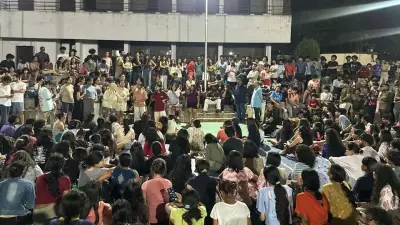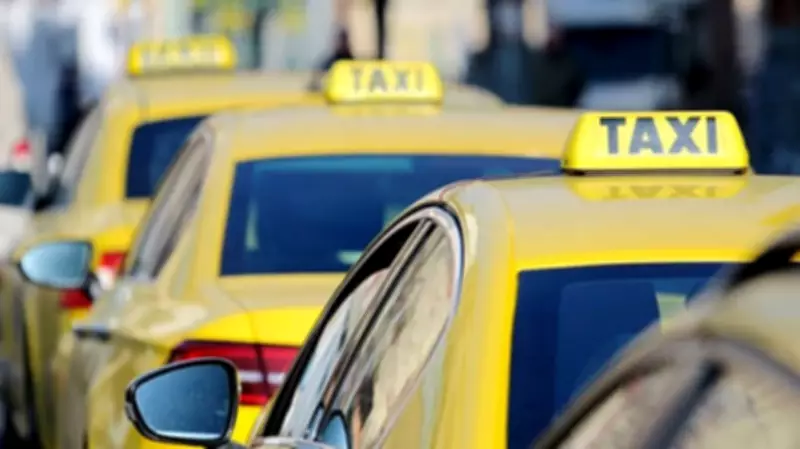
Taxi drivers in Delhi are set to go on a three-day strike starting May 21, 2026, demanding an increase in fares amid soaring fuel prices. The decision was announced by multiple taxi unions, warning of a 'Chakka Jam' if their demands are not met.
Reasons Behind the Strike
The unions argue that the continuous rise in petrol and diesel prices has severely impacted their earnings. They claim that the current fare structure is outdated and does not cover operational costs. Drivers are demanding an immediate revision of fares to ensure their livelihood remains sustainable.
Key Demands of the Unions
- Fare hike: A substantial increase in base fare and per-kilometer charges to compensate for fuel price escalation.
- Fuel subsidy: The government should provide a direct subsidy or reduce taxes on fuel for commercial vehicles.
- Regulatory action: Stricter enforcement against app-based cabs that operate without proper permits, creating unfair competition.
Impact on Commuters
The three-day strike is expected to cause significant inconvenience to Delhi residents, especially those who rely on taxis for daily commutes. Commuters may have to depend on alternate modes of transport like buses, metro, or ride-sharing services. However, the unions have assured that emergency services will not be affected.

Previous Efforts
This is not the first time taxi unions have resorted to strikes. In the past, similar protests have led to temporary fare revisions, but the unions claim that those increases were insufficient to match the rising costs. The current strike aims to force the government into a long-term solution.
Government's Response
As of now, the Delhi government has not issued an official statement. However, sources indicate that transport officials are in talks with union leaders to find a middle ground. The government may consider a fare hike but is also evaluating the impact on commuters and inflation.
The unions have warned that if their demands are not addressed, they will extend the strike indefinitely. Commuters are advised to plan their travel accordingly during the strike period.