India's Energy Infrastructure Expansion Demands Digital Integration
India is witnessing unprecedented growth in its energy infrastructure, with electric vehicle charging stations proliferating across highways and urban centers. Simultaneously, the City Gas Distribution initiative and PM E-Drive Scheme under the Union Budget 2026 are driving significant expansion of CNG stations nationwide. While these developments represent substantial progress on paper, the ground reality reveals a more complex scenario that requires urgent attention.
The Current State of India's Clean Energy Infrastructure
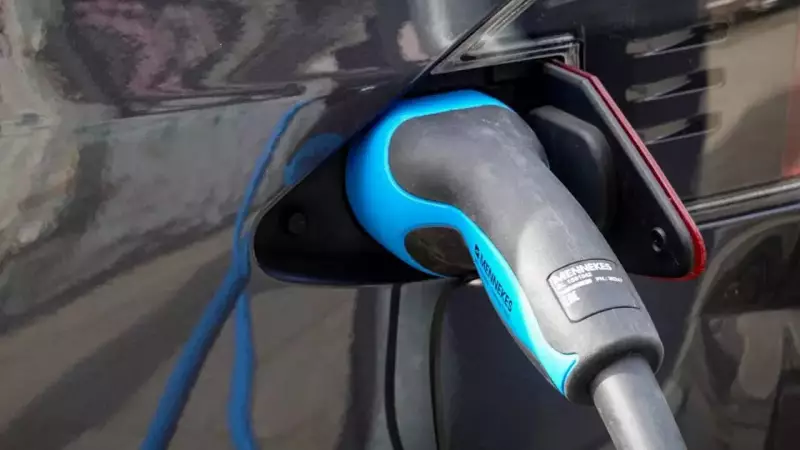
As of today, India boasts over 29,000 EV charging stations, a remarkable achievement in infrastructure development. However, the utilization rates of these facilities remain disappointingly low, ranging between 5% and 25%. This underutilization stems from multiple operational challenges that plague the sector.
Many legacy chargers suffer from reliability issues, frequently going offline due to inadequate maintenance protocols. Meanwhile, CNG stations face their own set of problems, including long queues during peak hours, inconsistent demand patterns, and various operational hurdles despite increasing vehicle adoption rates.

The fundamental issue lies not in ambition but in approach. India has prioritized physical infrastructure development while significantly underinvesting in the digital systems necessary to operate these assets efficiently at scale.
The Digital Intelligence Gap in Energy Infrastructure
As we approach 2026, India's clean energy transition success will depend not merely on adding more stations but on integrating sophisticated digital solutions with existing physical infrastructure. This integration must provide comprehensive visibility, accurate predictability, and seamless coordination across the energy ecosystem.
Modern energy infrastructure has evolved beyond simple fuel or electricity dispensing points. Every charger, each CNG nozzle, and all transformers represent potential data points that could revolutionize operational efficiency. When this data remains invisible or inaccessible, the entire system becomes reactive rather than proactive, creating what experts term the "paradox of plenty" in EV charging.
This paradox manifests when charging stations are physically available, yet users continue experiencing range anxiety. The uncertainty stems from users not knowing whether chargers are functional, occupied, how long waits might be, or whether payment systems will work reliably. Parallel challenges include utilities facing peak load management issues and transformer stress due to unpredictable charging demand patterns.
Transforming EV Charging from Plug to Smart
To genuinely expand EV charging infrastructure under Budget 2026, India must transform standalone machines into interconnected systems through several strategic approaches:

- Real-time Visibility Implementation: Stations must provide comprehensive information including live availability status, estimated wait times, and operational health indicators. This transparency can significantly reduce congestion, improve utilization rates, and enhance user confidence in the charging network.
- Unified Digital Platform Development: The current fragmented ecosystem comprising multiple charging point operator apps, various wallet systems, and proprietary platforms creates substantial user friction. A unified digital super app developed under the PM E-Drive framework could integrate the entire EV ecosystem, making it seamless for users to locate, utilize, and pay for charging services regardless of the operator.
- Smart Grid Integration: Fast chargers consume substantial power, and without digital coordination, they risk overloading local transformers during peak periods. Implementing artificial intelligence for demand prediction and real-time load management can safeguard grid stability while supporting sustainable growth.
- Interoperability Enhancement: While standard protocols like OCPP 1.6 exist, they don't fully enable cross-brand charger integration with central management systems. Connecting all operators to a shared digital platform could reduce wait times, improve visibility, enhance uptime, enable remote diagnostics, and minimize manual interventions that often cause operational disruptions.
Digital Transformation for CNG Infrastructure
The Petroleum and Natural Gas Regulatory Board reports rapid City Gas Distribution network expansion across 784 districts in 34 states and union territories. However, scaling without digitalization could lead to significant inefficiencies that undermine this growth.
Current CNG infrastructure resembles early telecom networks: large-scale, capital-intensive, but insufficiently equipped with sensors, monitoring capabilities, or information technology tools. The transition from conventional to digitalized network management has become imperative rather than optional.
Queue management presents a clear example of current challenges. Peak-hour lines at CNG stations create more than mere inconvenience—they disrupt traffic flow, increase emissions, and pose safety risks. Real-time data on wait times and service durations, combined with improved resource management, could enable fuel operators to deliver faster fueling experiences during high-demand periods without requiring additional physical capacity.
Data analytics can further address supply challenges by accurately forecasting consumption patterns. Digital monitoring of pipelines and stations allows operators to identify potential issues earlier, perform preventive maintenance, and comply with safety regulations more effectively. These insights enable smoother system operations, reduced congestion, decreased pollution, and enhanced user experiences.
Economic Benefits of Digital Infrastructure Integration
The primary motivation for investing in digital infrastructure lies in economic returns. The Union Budget 2026 should prioritize making existing assets more reliable and accessible, which could prove more valuable than constructing new facilities. Digital integration enables remote monitoring, predictive maintenance, and centralized control, significantly reducing downtime and operational costs.
Digitalizing EV and CNG systems unlocks numerous additional services including automated billing, app-based authentication, RFID access systems, remote troubleshooting, and comprehensive performance tracking. These aren't merely supplementary benefits but essential components for making large-scale infrastructure functional and efficient.
This underscores the importance of developing Digital Public Infrastructure for energy. AI-driven platforms would allow India to build digital capabilities as rapidly as it has developed physical hardware. Initiatives like the proposed Unified Energy Interface—essentially a UPI equivalent for the energy sector—envision a future where EV chargers, rooftop solar installations, battery storage systems, and power grids operate as an integrated ecosystem rather than isolated components.
The Path Forward for India's Energy Transition
India's ambitious targets of achieving 30% EV adoption by 2030 and increasing cleaner fuel usage like CNG require more than mere ambition. The next phase of infrastructure development must adopt a "digital first, physical second" approach. While capacity expansion through new station construction continues, without corresponding software development, the nation will struggle to achieve efficiency, build user trust, and sustain growth.
For India's clean energy transition to succeed, the focus must shift from building more assets to developing smarter ones. The Union Budget 2026 should allocate resources specifically for creating digital-first energy infrastructure that can support the nation's sustainable development goals while delivering tangible benefits to consumers and operators alike.