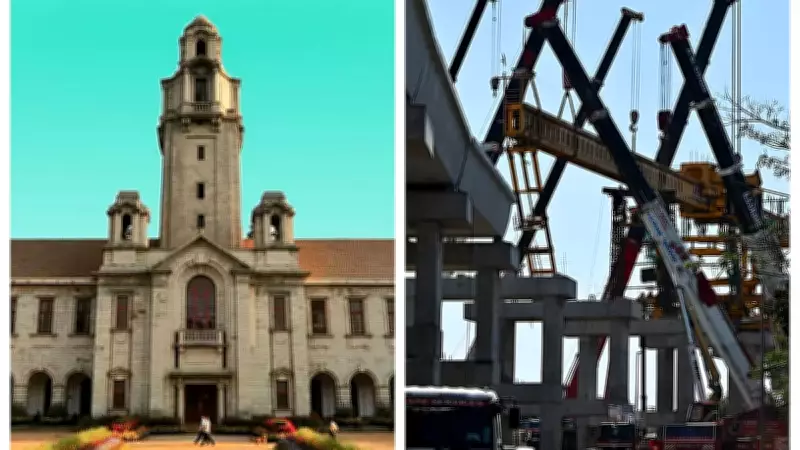
A recent study conducted by the Indian Institute of Science (IISc) has proposed an ambitious plan to power the Namma Metro Blue Line entirely through solar energy. The research indicates that installing photovoltaic panels on station rooftops, depot rooftops, station canopies, and viaduct structures could generate sufficient electricity to offset the Blue Line's annual energy consumption.
Key Findings of the Study
The study highlights the potential of solar energy to meet the metro's power requirements sustainably. By utilizing available infrastructure, the Blue Line could become a model for green urban transportation. The generated solar power would not only cover operational needs but also reduce dependency on conventional energy sources, leading to significant cost savings and environmental benefits.
Implementation Strategy
Researchers recommend a phased approach, starting with high-potential areas such as depot rooftops and station canopies. The integration of solar panels on viaducts is also considered feasible, leveraging otherwise unused space. The study estimates that the total installed capacity could reach several megawatts, making the Blue Line energy self-sufficient.

Benefits and Impact
- Energy Independence: Reduced reliance on grid electricity, lowering operational costs for Bangalore Metro Rail Corporation Limited (BMRCL).
- Environmental Sustainability: Significant reduction in carbon emissions, contributing to Bengaluru's climate goals.
- Scalability: The model can be replicated for other metro lines across India.
Next Steps
The IISc team is in discussions with BMRCL to pilot the project on select stations. A feasibility study is underway to assess structural loads and grid integration. If successful, the Blue Line could become India's first metro corridor powered entirely by renewable energy.