India Poised to Lead Global 6G Standardization Efforts
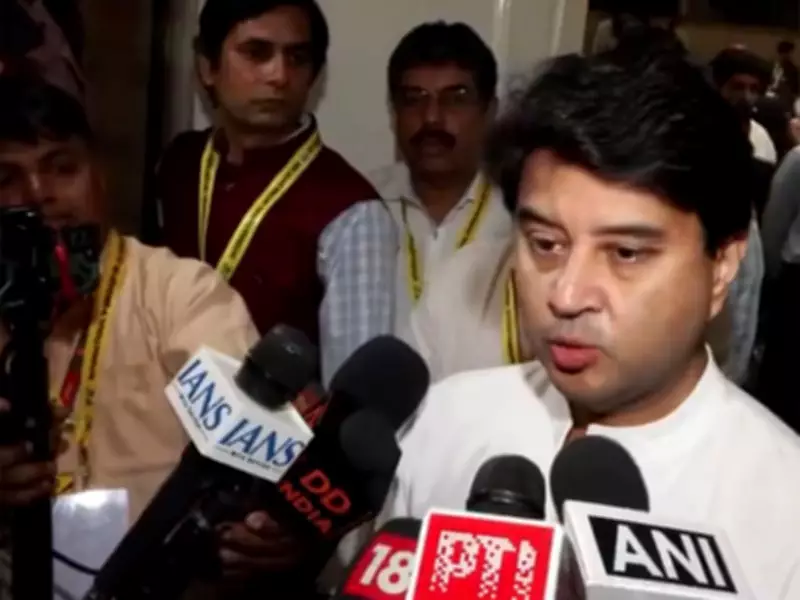
Union Minister for Communications Jyotiraditya M. Scindia has declared that India is set to take a commanding role in shaping global 6G standards through the Bharat 6G Alliance. Speaking at the International Workshop on 6G Standardization in New Delhi, Scindia emphasized India's commitment to pioneering future telecommunications technology.
Bharat 6G Alliance's Strategic Role
Scindia highlighted that the Bharat 6G Alliance will work diligently across its seven working groups to ensure India's active participation in setting 6G standards. "This technology has exponential possibilities," he stated, noting that 6G will not only bridge the digital divide but also unlock tremendous opportunities for the nation. This focus on next-generation technology follows significant advancements in India's domestic telecom infrastructure.
Telecom Sector Achievements Under Current Leadership
During a parliamentary session, Scindia detailed remarkable progress in the telecom sector over the past 12 years under Prime Minister Narendra Modi's guidance. He reported that the average cost of data has plummeted from Rs 290 to just Rs 8, representing a staggering 97% reduction. This affordability is supported by a massive expansion in infrastructure, with Base Transceiver Stations increasing from 6 lakh in 2014 to 32 lakh today.

Scindia also announced that 5G connectivity now reaches 99.9% of districts across India, with 40 crore out of 120 crore users currently accessing 5G services. These milestones underscore India's rapid digital transformation and enhanced connectivity.
Enhanced Connectivity in Border and Remote Areas
The minister provided updates on connectivity improvements in remote regions, particularly border villages. Telecom availability in these areas has surged from 42% in 2014 to 98% today, covering 17,222 out of 17,600 border villages. Scindia attributed this success to consistent infrastructure investments and a dedicated focus on regional accessibility, ensuring that even the most isolated communities benefit from digital advancements.
BSNL's Financial Turnaround and Domestic Innovation
Scindia reported a significant financial recovery for Bharat Sanchar Nigam Limited (BSNL), the state-run telecom provider. For the first time in 18 years, BSNL recorded a net profit of Rs 280 crore in a quarter of the 2024-25 financial year. User numbers have also grown, rising from 8.5 crore in June 2024 to 9.27 crore, with network uptime improving from 92% to 97% in regions like Rajasthan.
He emphasized India's strategic shift towards domestic manufacturing of telecom equipment. Instead of importing 4G technology from countries like South Korea, Finland, Sweden, or China, India developed its own 4G digital stack under the Prime Minister's directive. "This was a difficult path, but through that difficult path, we are winning the trust of our users again," Scindia noted, positioning India among the few nations capable of manufacturing telecom equipment globally.
India's Global Digital Leadership
Scindia concluded by highlighting India's status as the operator of the world's largest digital communication system, supported by high volumes of digital transactions. This foundation, combined with ongoing innovations in 6G standardization, sets the stage for India to lead in future telecommunications technologies, driving economic growth and digital inclusion on a global scale.