India's Drone Ecosystem Takes Flight with Over 38,500 Registered Units
As of February 2026, India has established a robust and regulated drone ecosystem, according to a recent statement from the Press Information Bureau. The country now boasts more than 38,500 registered drones, supported by 39,890 DGCA-certified remote pilots and 244 approved training organisations. This growth underscores the rapid adoption and integration of drone technology across various sectors.
Military Integration and Operational Success
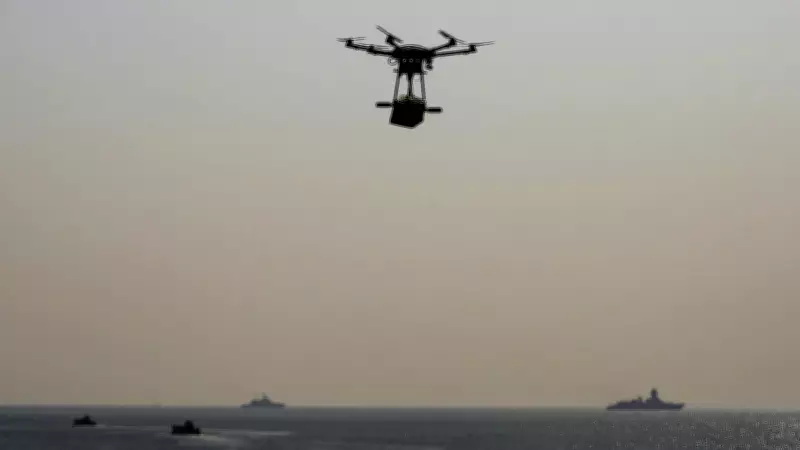
Drones have become a critical component of India's military capabilities, significantly enhancing surveillance, intelligence gathering, and precision strike operations for the Armed Forces. The Press Information Bureau highlighted their role in Operation SINDOOR, where Indian drones and loitering munitions were used to destroy enemy targets safely and accurately. These unmanned systems work in tandem with air defence systems, radar networks, and command centres to protect critical infrastructure and enable swift responses to emerging threats.
Civilian Applications and Government Initiatives
Beyond defence, drones are being deployed extensively in civilian and public service domains. Under the SVAMITVA Scheme, drones have surveyed 3.28 lakh villages, facilitating the preparation of 2.76 crore property cards across 1.82 lakh villages in 31 states. This initiative has improved transparency and efficiency in land management.

Additionally, the government has distributed 1,094 drones to women self-help groups, with over 500 provided under the Namo Drone Didi initiative. This effort aims to enhance farm productivity and strengthen rural livelihoods by empowering women in agriculture and related sectors.
Regulatory Reforms and Sector Liberalisation
The growth of India's drone sector has been propelled by significant regulatory reforms. The Drone Rules, 2021, along with subsequent amendments in 2022 and 2023, have liberalised the industry by simplifying processes and reducing bureaucratic hurdles. Key changes include:
- Required forms cut from 25 to five.
- Approvals reduced from 72 to four.
- Fees rationalised and delinked from drone size.
- Civilian operations permitted for drones weighing up to 500 kg, expanding commercial and industrial applications.
Widespread Adoption Across Public Services
Drones are now widely utilised in various public services, including land surveys, crop assessment, infrastructure monitoring, disaster response, and defence operations. Flagship schemes such as SVAMITVA and the Pradhan Mantri Fasal Bima Yojana (PMFBY) are leveraging drone technology to improve the speed, accuracy, and transparency of service delivery. This adoption is transforming how government initiatives are implemented, making them more efficient and effective.
Overall, India's drone ecosystem is not only expanding in scale but also evolving in its applications, driving innovation and progress across military and civilian spheres.