PM Modi's Mention Puts Living Root Bridges in National Spotlight
Prime Minister Narendra Modi's recent mention of Meghalaya's iconic Living Root Bridges during his Mann Ki Baat radio address has brought national recognition to one of India's most remarkable living heritage landscapes. The bridges, woven from the aerial roots of ancient rubber fig trees, are a testament to centuries-old indigenous engineering.
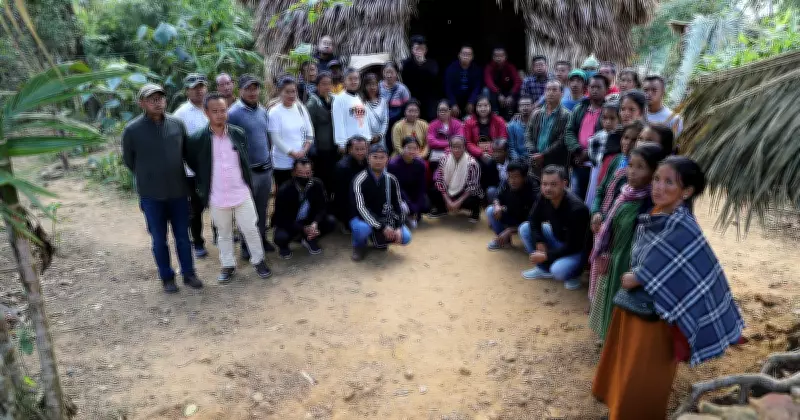
In his address, PM Modi lauded the community-led conservation efforts that have preserved these structures, highlighting how local communities lead conservation while the government works alongside them as an equal partner.
Community-Led Conservation: The Core Model
The Living Root Bridges, primarily found in the West Jaintia Hills and East Khasi Hills districts, are created by the Khasi and Jaintia tribes. The process involves guiding tree roots across rivers and streams using bamboo scaffolds, a practice passed down through generations. This living infrastructure can last for centuries, growing stronger over time.

According to community leaders, the conservation model is entirely grassroots-driven. Village councils, known as Durbar, oversee the maintenance and preservation of the bridges, with younger generations trained in the traditional techniques. The government's role is supportive, providing funding for tourism infrastructure and legal protection without interfering in the community's stewardship.
Government as Equal Partner
The Meghalaya government has designated several Living Root Bridges as protected heritage sites. In 2023, the state tourism department allocated ₹5 crore for the preservation and promotion of these structures. However, officials emphasize that the communities retain decision-making authority over their care.
"The government acts as a facilitator, not a controller," said a senior official from the Meghalaya Tourism Department. "We provide resources and legal backing, but the communities are the custodians. This partnership model ensures the bridges remain living heritage, not just tourist attractions."
Global Recognition and Challenges
The Living Root Bridges have attracted international attention, with UNESCO considering them for World Heritage Site status. However, challenges remain, including climate change impacts and increasing tourist footfall. Community leaders have implemented visitor caps and entry fees to manage tourism sustainably.
"Our bridges are not just for show; they are part of our daily lives," said a village elder from Nongriat, home to the famous double-decker root bridge. "We welcome visitors, but they must respect our traditions. The PM's words have encouraged us to continue our work."
Broader Implications for Conservation
This model of community-led conservation with government partnership is being studied by environmentalists and policymakers across India. It demonstrates that sustainable heritage preservation is possible when local knowledge is respected and empowered.
As PM Modi noted in his address, the Living Root Bridges are a living example of how "conservation and development can go hand in hand when communities take the lead." The recognition from the highest office has galvanized efforts to protect and promote this unique heritage for future generations.