

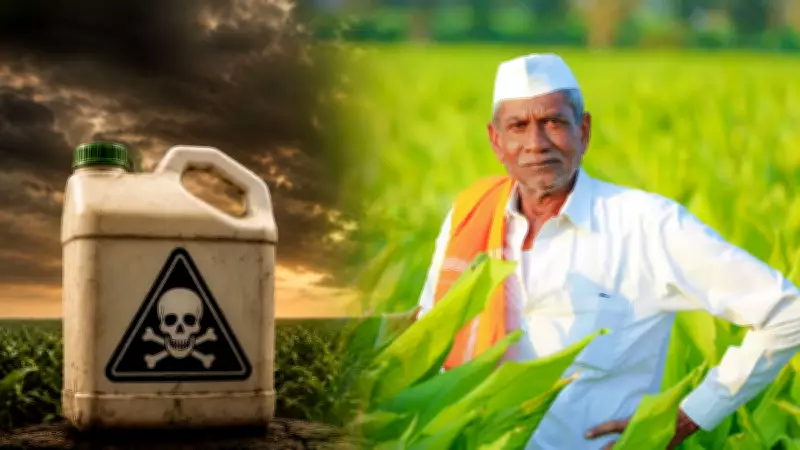
A herbicide banned in 74 countries but still legal in India is at the centre of a growing debate. Paraquat Dichloride, known for its extreme toxicity and lack of a specific antidote, continues to be used in Indian agriculture. Here's why regulators, farmers and activists remain divided over its future.
What is Paraquat Dichloride?
Paraquat Dichloride is a non-selective contact herbicide used to control weeds in various crops. It is highly toxic to humans and animals, with no known antidote. Ingestion of even small amounts can be fatal, and long-term exposure has been linked to Parkinson's disease and other health issues.
Global Bans and Restrictions
Over 74 countries, including the European Union, China, and Brazil, have banned or severely restricted the use of paraquat. The European Union banned it in 2007 due to safety concerns. Switzerland, where the chemical was originally developed, also prohibits its use. However, India continues to permit its application in agriculture.

Reasons for Continued Use in India
Proponents argue that paraquat is effective, affordable, and essential for controlling weeds in crops like tea, cotton, and sugarcane. Farmers, particularly smallholders, rely on it due to its low cost and rapid action. The Ministry of Agriculture and Farmers' Welfare has not imposed a ban, citing insufficient evidence of widespread harm under proper usage conditions.
Health and Environmental Concerns
Activists and public health experts highlight the risks. Accidental and intentional poisonings are common in rural areas, where paraquat is easily accessible. Studies link chronic exposure to neurodegenerative diseases. Environmental groups point to soil and water contamination, affecting biodiversity and human health.
Regulatory Stalemate
The debate has reached a stalemate. The Central Insecticides Board and Registration Committee (CIBRC) has reviewed the issue multiple times but has not reached a consensus. The agricultural lobby emphasizes economic benefits, while health advocates demand a ban. The Supreme Court has also weighed in, directing the government to consider the matter.
Future Outlook
India may eventually phase out paraquat, as it has done with other hazardous pesticides. Alternatives exist, but they are more expensive or less effective. The government is promoting integrated pest management and organic farming, but the transition will take time. Until then, the debate over paraquat's fate continues.






