

7 Advanced Car Technologies That Combat Driver Fatigue Effectively
Extended hours behind the wheel can significantly diminish a driver's concentration, leading to fatigue that impairs reaction times and decision-making capabilities. Contemporary automotive engineering increasingly focuses on mitigating this mental and physical burden without requiring constant driver intervention. These sophisticated technologies operate seamlessly in the background, enhancing comfort, situational awareness, and overall safety to make driving less exhausting and more intuitive.
1. Adaptive Cruise Control (ACC)
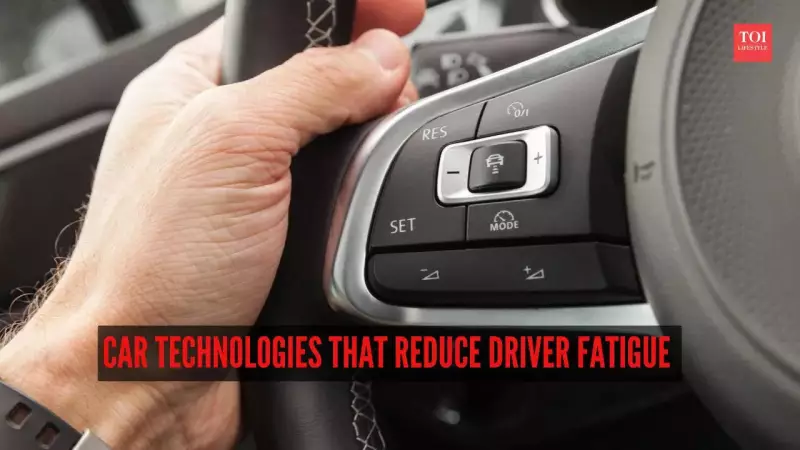
Adaptive cruise control automatically maintains a predetermined safe distance from vehicles ahead by intelligently adjusting speed according to traffic conditions. By managing repetitive acceleration and braking tasks—particularly on highways or in congested stop-and-go traffic—ACC substantially reduces the driver's mental workload. While drivers must remain engaged with the driving process, this system minimizes the tedious actions that typically contribute to fatigue during extended journeys.
2. Lane Keeping Assist Systems
Lane keeping assist technology provides gentle steering corrections when the vehicle begins to drift from its lane without turn signal activation. These subtle interventions help maintain proper lane positioning, especially during monotonous highway driving. By reducing the need for constant minor steering adjustments, the system lowers cognitive strain while still requiring the driver to maintain overall attentiveness to the road environment.

3. Driver Attention Monitoring Systems
Modern driver alert systems utilize sophisticated optical or physical sensors to monitor head position, eye movement patterns, and driving behavior characteristics. When these systems detect early signs of fatigue or distraction, they provide timely alerts and warnings, enabling proactive measures to ensure continued safe driving before potentially dangerous situations develop.
4. Automatic Climate Control Technology
Automatic climate control maintains optimal cabin temperature without requiring manual adjustments. By preventing conditions of excessive heat or cold—both of which can accelerate driver tiredness—this technology helps maintain physical comfort throughout the journey. Consistent thermal regulation reduces irritation and fatigue, allowing drivers to remain focused for longer durations without consciously managing cabin environmental conditions.
5. Advanced Noise-Reducing Cabin Design
Contemporary vehicles incorporate acoustic glass, enhanced insulation materials, and optimized aerodynamic designs to significantly reduce cabin noise levels. Lower ambient noise decreases mental fatigue by minimizing sensory overload. A quieter cabin environment makes extended drives less stressful, helping drivers stay relaxed and alert without necessarily realizing how much disruptive background noise has been effectively eliminated.
6. Heads-Up Display (HUD) Technology
Heads-up displays project essential information such as speed, navigation directions, and safety alerts directly onto the windshield within the driver's line of sight. This innovative approach allows drivers to keep their eyes focused on the road instead of repeatedly glancing down at instrument clusters. Reducing eye movement and refocusing effort helps minimize cognitive fatigue, particularly during long-distance travel or nighttime driving conditions.
7. Ergonomically Engineered Seats with Lumbar Support
Ergonomic automotive seats promote proper posture and reduce muscular fatigue through thoughtful design. Features like adjustable lumbar support, contoured shapes, and intelligent pressure distribution work together to minimize discomfort during prolonged driving periods. When the body receives adequate support, drivers experience reduced physical fatigue, enabling sustained concentration over extended travel times.

The Subtle Evolution of Fatigue-Reducing Automotive Technology
Driver fatigue often develops gradually rather than appearing suddenly, making it particularly insidious. Automotive manufacturers have responded by developing multiple technological approaches to combat this issue through modern vehicle systems. This evolution continues progressively as technology focuses on three key areas: alleviating physical effort, reducing mental burden, and improving the overall driving environment.
These intelligent assistance systems work subtly to create a more pleasant driving experience while providing crucial support. The ultimate goal remains allowing drivers to enjoy their journeys without experiencing the stress and exhaustion that traditionally accompanied long hours on the road. As automotive technology continues advancing, we can expect even more sophisticated solutions to further minimize driver fatigue while enhancing safety and comfort for all road users.





