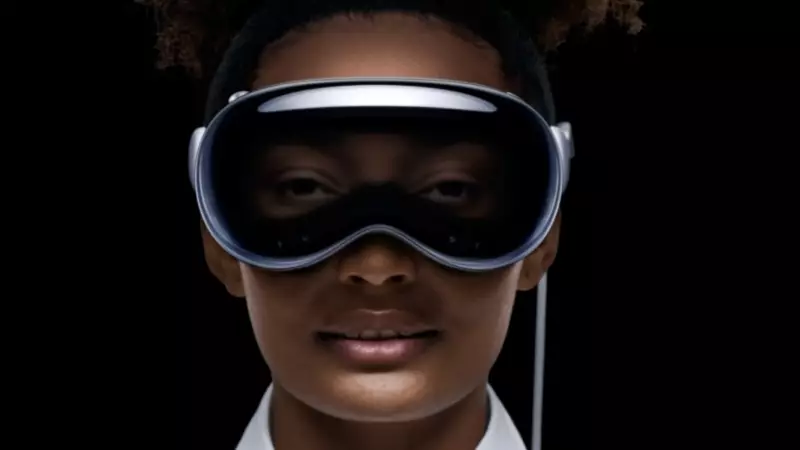
In a significant strategic shift, Apple has drastically reduced the production of its ambitious Vision Pro mixed-reality headset, dealing a blow to its 'spatial computing' vision. A new report reveals the company has scaled back output after demand failed to meet lofty expectations, with marketing spending seeing an even steeper decline.
Production Halt and Sluggish Sales
According to industry estimates, sales of the premium headset have been slower than Apple anticipated since its launch. This prompted a quiet but substantial reduction in manufacturing. Apple's manufacturing partner in China, Luxshare, halted production of the device at the beginning of 2025. Furthermore, data from Sensor Tower indicates that Apple cut its promotional spending for the Vision Pro by more than 95 per cent last year.
The stark contrast with Apple's core business is evident. While iPhones, iPads, and Macs ship in the millions each quarter, the Vision Pro has struggled. Priced from Rs 3,15,563 ($3,499), its high cost is a major barrier. Although Apple does not disclose sales figures, the International Data Corporation (IDC) estimates that only around 45,000 units were sold in the final quarter of last year. Apple has also kept availability limited, launching it in just 13 markets so far, which analysts say further constrained adoption.

A Broader Industry Slowdown and Shifting Focus
The challenges facing the Vision Pro are not occurring in isolation. The broader virtual and augmented reality industry is experiencing a cooldown. Research predicts a 14 per cent year-over-year decline in global shipments of VR headsets, attributed to declining consumer interest. The Vision Pro's trajectory has drawn comparisons to past niche products like Google Glass, where technical prowess was overshadowed by a lack of mainstream appeal and clear use cases.
In response, Apple appears to be recalibrating its priorities. Reports suggest the company is working on a more affordable version of the Vision Pro. However, its broader focus seems to be pivoting toward artificial intelligence-driven wearables rather than full-scale virtual reality. Tech industry chatter indicates Apple has paused development of a next-generation VR headset to prioritise AI-focused hardware.
Limited Ecosystem and Niche Appeal
Even early adopters have noted the device's limitations. The experience can feel isolating, and the app ecosystem remains sparse. While Apple claims about 3,000 apps are available, this pales in comparison to the vast libraries on its established devices like the iPhone. As one analyst noted, the combination of high cost, bulky design, and a shortage of compelling native software has kept the Vision Pro as a niche product for enthusiasts and developers.
Rivals are making similar strategic adjustments. Meta, which dominates the VR market with an 80 per cent share thanks to its lower-priced Quest headsets, has confirmed it is reallocating resources from its metaverse ambitions toward AI glasses and other wearable devices. Apple has not officially commented on the reports of production cuts or a reconsidered roadmap. If accurate, this pullback marks a rare misstep for a company famed for creating lucrative new product categories, highlighting the formidable challenge of making high-end spatial computing a mainstream reality.