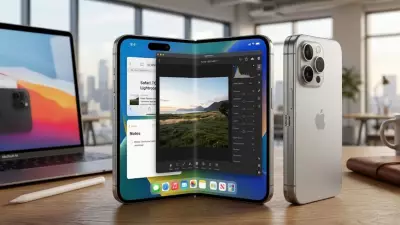
Apple's Touchscreen MacBook Pro Revolution Expected in 2026
Apple appears to be on the verge of a significant design transformation for its flagship laptop line. According to reliable industry reports, the technology giant is actively developing redesigned MacBook Pro models that will finally incorporate touchscreen functionality, a feature that has been notably absent from Mac computers for nearly two decades.
Major Design Overhaul with OLED Touch Displays
Bloomberg's respected technology journalist Mark Gurman has revealed that Apple is working on completely redesigned 14-inch and 16-inch MacBook Pro models. These next-generation laptops are currently scheduled for launch toward the end of 2026, most likely within the traditional October to December release window that Apple typically reserves for major product announcements.
The most groundbreaking aspect of these upcoming models will be their OLED displays with integrated touch capabilities. This represents a dramatic departure from Apple's longstanding philosophy regarding touchscreen laptops. Company co-founder Steve Jobs famously dismissed touchscreen laptops as providing a suboptimal user experience during a presentation nearly twenty years ago, making this potential development particularly noteworthy.

Dynamic Island Comes to MacBook Pro
Beyond the touchscreen functionality, the new MacBook Pro models are expected to incorporate Apple's innovative Dynamic Island interface, which first debuted on the iPhone 14 Pro series. According to Gurman's detailed report, this feature will be centered around a hole-punch camera cutout that may be smaller than the pill-shaped design used on iPhones.
The Dynamic Island on MacBooks will function similarly to its smartphone counterpart, displaying real-time information including active tasks, sports scores, system alerts, timers, and other ongoing activities. This integration represents Apple's continued effort to create a more cohesive ecosystem across its product lines, though the report suggests Face ID support may still not be included in these models.
Hybrid Interface for Flexible User Experience
Apple's approach to touchscreen implementation appears to be carefully considered rather than revolutionary. The new MacBook Pro models will maintain their traditional large keyboard and trackpad, allowing users who prefer conventional input methods to continue working without relying on touch functionality.
Gurman's sources indicate that the laptops will feature what Apple describes as a "refreshed, dynamic user interface that can shift between being optimized for touch or point-and-click input." This hybrid approach enables users to seamlessly transition between traditional pointer-based navigation and touch interaction based on their preferences and specific tasks.
Intelligent Touch Interface Features
The touch implementation on these MacBook Pro models promises to be sophisticated and context-aware. When users touch a control element on the screen, a new menu with relevant options will appear around the touch point, providing intuitive access to functions without requiring precise pointer targeting.
Menu bar items selected by touch will expand into larger targets than those designed for pointer selection, making them significantly easier to interact with using fingers. The system will also support standard touch gestures including fast scrolling and pinch-to-zoom functionality, creating a familiar experience for users accustomed to touchscreen devices.
Additional Design Improvements Expected
While the OLED touchscreen and Dynamic Island represent the most significant changes, earlier rumors suggest these MacBook Pro models may also feature a thinner chassis and additional design refinements beyond the display improvements. The exact specifications and additional features remain unclear at this early stage of development, but Apple typically introduces multiple enhancements with major product redesigns.
This potential move toward touchscreen MacBooks represents a strategic shift for Apple as it responds to evolving user expectations and competitive pressures in the premium laptop market. The 2026 timeline gives Apple substantial development time to refine the touchscreen experience and ensure it meets the company's exacting standards for user interface design and functionality.