

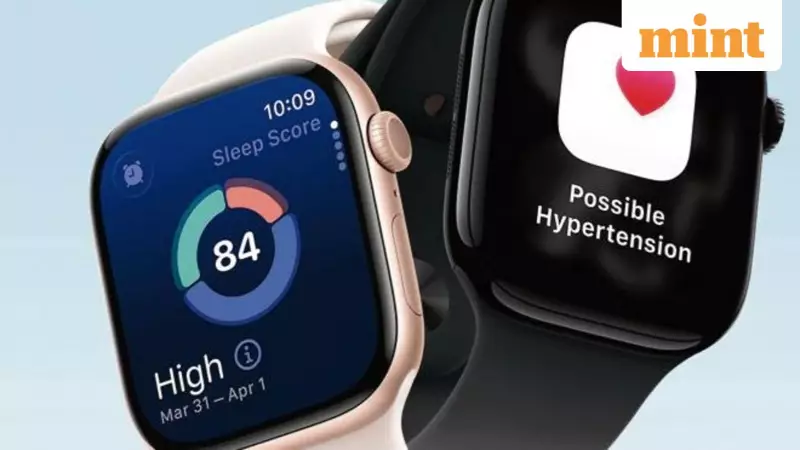
A month ago, after setting up the new Apple Watch Series 11, I decided to test its sleep tracking feature for the first time. My sleep cycle was in disarray due to a demanding news cycle. As someone who never had sleep issues before, I was now snoring, waking up multiple times at night, and sometimes lying awake despite exhaustion.
The First Glance: A Wake-Up Call
On that first night, the redesigned Sleep app on watchOS 26 presented a clear sleep score. The number was a disappointing 55. The app explained this was a preliminary score based on general parameters, which made sense as I had slept late and woken up too early. This simple score became the catalyst for a four-week journey to reclaim my sleep.
For the next month, wearing the Apple Watch Series 11 to bed became a ritual. Checking my sleep quality first thing in the morning turned into an anticipated habit, one my physician had long recommended.

Recovering Lost Sleep and Changing Habits
My sleep issues had deeper roots. Six months prior, my doctor flagged potential signs of sleep apnea, a disorder where breathing repeatedly stops for over 10 seconds during sleep, ruining its quality. Initial concerns had surfaced a year ago when I consistently woke up feeling unrefreshed.
While I had postponed potential treatments, including surgery, the Apple Watch's sleep metrics prompted immediate action. The sleep score gamified the process, with its comparative timing feature being key. It accounted for my late-night schedule instead of judging it against a generic early bedtime.
My habit of reading late had morphed into endless social media scrolling, which psychologists globally warn disrupts sleep. The watch's gentle nudges helped me shift my average sleep time from 3 AM to around midnight over four weeks. This incremental change boosted my average sleep duration from under five hours to a more adequate length.
The detailed breakdown was eye-opening. Four weeks ago, the tracker showed:
- 25 minutes of deep sleep
- About 3 hours of core sleep
- 40 minutes of REM sleep
More alarmingly, over 10% of my five-hour sleep window was spent awake, explaining my constant morning fatigue.
Following my doctor's advice, I implemented changes:
- Dining at least two hours before bed.
- Avoiding loud video content 30 minutes before sleep.
- Maintaining a balanced diet and drinking three litres of water daily, but none an hour before bed.
- Being mindful of sleeping posture.
The results were transformative. The day before writing this, I achieved a sleep score of 92 with eight hours of total sleep. The breakdown was impressive: 4.5 hours of core sleep, 90 minutes of deep sleep, and 2 hours of REM sleep. Awake minutes were reduced to just a few brief disruptions.
Tracking Breathing Disturbances and The Path Ahead
The Health app also revealed tracked "breathing disturbances." As my sleep schedule improved over the four weeks, these disturbances saw a steep decline, correlating directly with feeling fresher and more active upon waking.
However, the tracker shows these disturbances, while reduced, are still recurrent and fluctuate daily. Apple's system indicates they are not severe enough to trigger full apnea alerts yet, but their persistence highlights the next phase of addressing my sleep disorder, which I plan to tackle in the coming week.
For now, the impact is undeniable. The Apple Watch's sleep score helped me restructure the three hours leading to sleep, abandon unhealthy practices, and prioritize adequate rest. It provided the data-driven motivation I needed.
Note: The sleep score feature is not exclusive to the Apple Watch Series 11. Through software updates, it is now available starting with Watch Series 9 as well.






