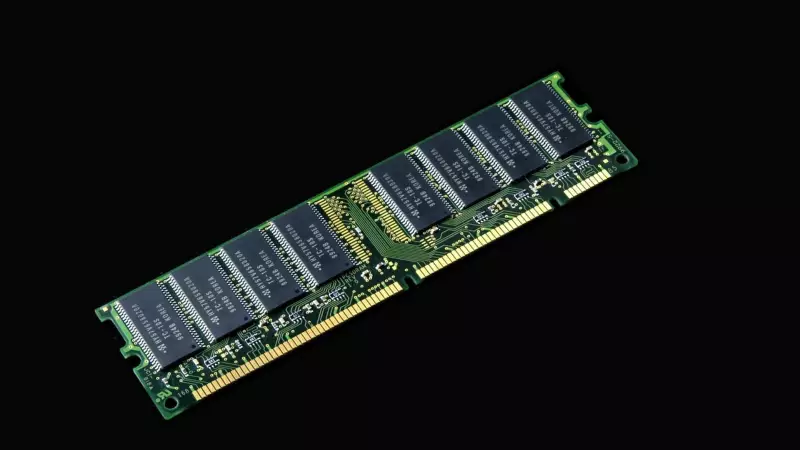
Taiwanese electronics giant Asus has officially shut down swirling rumours about its potential entry into the memory manufacturing business. Speculation had suggested the company was planning to build its own DRAM (Dynamic Random Access Memory) fabrication plants to meet its internal demand amidst a severe global shortage.
The Rumour and the Official Denial
Recent reports, based on a machine-translated article from Taiwanese publication CNA, claimed Asus was considering producing its own RAM chips. The rumour indicated that if memory prices failed to stabilise, Asus could start production as early as next year. However, the company has now categorically denied these plans. In a clear statement, Asus confirmed it has "no plans to invest in memory fabs." A company spokesperson emphasised that Asus will instead focus on strengthening ties with existing memory suppliers.
The Root of the Crisis: AI and Soaring Costs
The backdrop to this speculation is a severe crunch in the memory market. The primary driver is the massive demand from artificial intelligence (AI) companies, which are hoarding substantial supplies of RAM and SSDs for their data centres. This has led to a dramatic spike in prices, with the cost of RAM quadrupling in just the last couple of months. Major memory manufacturers like Micron are prioritising more profitable segments, evidenced by their decision to shut down the consumer-facing brand, Crucial, to focus on enterprise clients.

Asus Co-CEO Hu Shu-bin addressed the situation, noting that every company operates on a different schedule and that manufacturers will inevitably have to "reflect costs in pricing." This translates directly to higher prices for consumers, meaning PCs with more RAM will become significantly more expensive.
Why Asus Building Fabs Isn't a Quick Fix
Even though Asus possesses the financial resources to venture into memory manufacturing, industry analysts point out a critical timeline issue. They estimate it would take at least two years to invest and construct a functional memory factory before any chips could be produced. Therefore, even if Asus had decided to proceed, it would not have provided a solution to the current supply crisis.
The spokesperson outlined Asus's strategy to navigate the shortage: the company will "respond to market supply and demand conditions by adjusting product specifications and optimizing product life cycle cycles." This suggests possible changes in the RAM configurations offered in their devices or adjustments in product launch timelines.
Market predictions on the duration of this shortage vary. Some reports warn the memory crunch could persist for a couple of years, while others offer a more optimistic view, expecting a resolution in about a year. Interestingly, the dominant memory vendors—Samsung, SK Hynix, and Micron, who collectively control over 90% of the market—are currently not planning major production increases, enjoying the period of unusually high profit margins.