

The battle for your screen time just escalated. At the Consumer Electronics Show (CES) 2023 in Las Vegas, television manufacturers launched a powerful counter-offensive against the dominance of smartphones. Armed with massive screens and sophisticated artificial intelligence (AI), these new TVs aim to reclaim the living room by offering unparalleled, personalised viewing experiences.
AI Takes Centre Stage in the TV Arena
Facing relentless competition from handheld devices, TV companies are fighting back with innovation. The strategy is clear: convince consumers to invest in larger, smarter, and more expensive screens. At CES, giants like Samsung showcased smart TVs where AI is the star attraction. This technology is no longer a gimmick; it's being deployed to fundamentally enhance how we watch.
The AI in these new models works on multiple fronts. It significantly improves picture and sound quality, making visuals sharper and audio more immersive. Beyond technical specs, AI personalises the experience by helping users discover content they'll love and even allowing them to ask questions about what they're watching on screen. The goal is to make the big-screen experience so compelling that users willingly look up from their 6-inch smartphone displays.

Beyond TVs: Uber's AI-Powered Robotaxi Vision
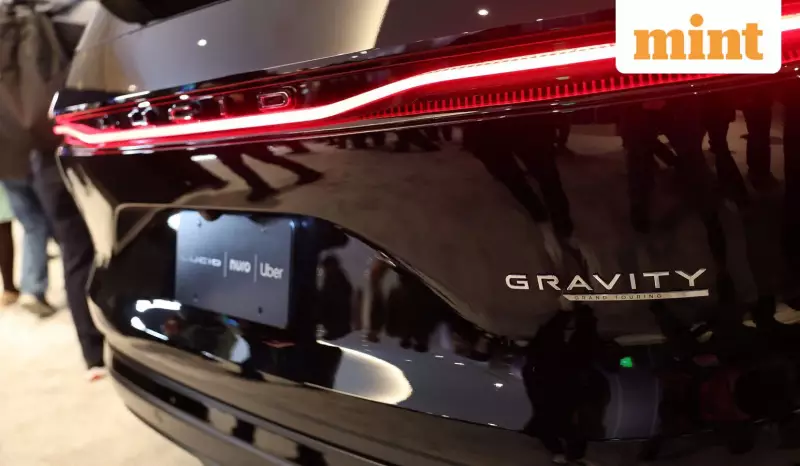
The AI revolution at CES 2023 wasn't confined to the living room. Ride-hailing giant Uber unveiled its vision for the future of transport: a custom, all-electric robotaxi. Developed through a collaboration with autonomous driving tech firm Nuro and electric vehicle maker Lucid, the platform is powered by AI-chip leader Nvidia.
Dubbed the Gravity, these robotaxis will feature interactive screens for passengers to control cabin features like seat heaters, climate, and music. Riders will also be able to contact support teams or command the vehicle to pull over. Road testing with safety drivers began in December 2022, and Uber aims to launch the service in its home city of San Francisco later in 2023, pending regulatory approval from California authorities.
Smart Tech for Inclusion: Glasses That "See" for the Blind
CES also highlighted technology designed for empowerment and inclusion. Several startups are building an ecosystem to assist blind and visually impaired users by leveraging existing products and AI. The Be My Eyes app, for instance, connects users with volunteers who can describe a scene captured through the phone's camera.
Innovations are becoming more wearable and advanced. California startup Agiga developed its EchoVision smart glasses with direct input from blind users. These glasses boast a 110-degree camera angle, capturing 50% more of the environment than other models. Another player, Netherlands-based Envision, recently launched a model in partnership with Hong Kong's Solos, integrating its powerful Ally AI software to describe text and objects in the user's surroundings.
The message from CES 2023 is unequivocal. From the living room TV to city streets and assistive devices, artificial intelligence is moving from the background to the forefront, actively reshaping our daily experiences and setting the stage for a more interactive and personalised technological future.






