

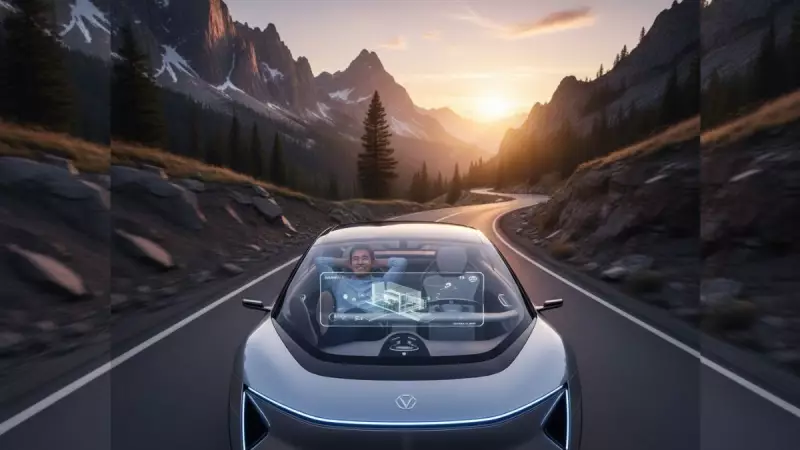
The Consumer Electronics Show (CES) 2026 in Las Vegas has marked a pivotal shift in the global automotive narrative. While electric vehicles (EVs) have dominated the conversation for nearly a decade, this year's spotlight has decisively turned toward artificial intelligence (AI) and autonomous, self-driving cars. Automakers and tech giants presented a future where the car is not just electric but is an intelligent, self-navigating companion, indicating a strategic slowdown in the pure EV push to make way for the next technological frontier.
The AI-Driven Cockpit Takes Center Stage
Gone are the days of simple infotainment screens. The interiors showcased at CES 2026 were dominated by advanced AI-powered assistants and immersive digital experiences. Companies like Bosch and Harman unveiled systems that go beyond voice commands. These AI co-pilots can understand context, predict driver needs based on biometrics and calendar data, and manage everything from climate control to selecting the perfect driving mode for your mood.
More importantly, this AI integration is the backbone for the leap toward higher levels of automation. The technology on display wasn't just about entertainment; it was about creating a trustworthy and seamless interface between human and machine, a critical step before handing over complete control to the vehicle's autonomous systems.

Level 4 Autonomy: The New Battleground
The most significant announcements revolved around Level 4 autonomous driving technology, where the vehicle can handle all driving tasks in specific geographic areas or conditions without human intervention. Major players, including traditional automakers and dedicated tech firms, demonstrated substantial progress.
These demonstrations featured sensor suites combining LiDAR, radar, and cameras with immensely powerful onboard computing. The AI software processing this data has evolved to handle complex "edge cases"—unexpected scenarios like erratic pedestrians or sudden road obstacles—with much greater confidence and safety. The message was clear: the industry is moving from driver-assist features (Level 2) to genuine "hands-off, eyes-off" autonomy for defined applications like highway commuting or urban robotaxi services.
Strategic Pivot: Why the EV Slowdown?
This shift in focus comes alongside a noticeable cooling of the frenetic EV rollout pace seen in previous years. Industry analysts at the event pointed to several factors. First, the initial wave of consumer excitement in some markets has met with practical hurdles like charging infrastructure gaps and high costs. Second, the massive capital required for both EV development and autonomous AI research is forcing companies to prioritize.
Consequently, the strategy is evolving from "electrify everything" to "intelligently automate the future fleet." The vision presented is of a synergistic future where the ultimate goal is a fully autonomous vehicle that is also electric, but the immediate R&D resources and marketing buzz are being funneled into achieving the autonomy breakthrough first.
Implications for the Indian Automotive Market
The trends at CES 2026 carry profound implications for India, one of the world's most critical automotive markets. Indian consumers can expect AI features and advanced driver-assistance systems (ADAS) to trickle down into new models faster than before, even as full Level 4 autonomy may take longer due to infrastructure and regulatory challenges.
For Indian automakers and tech startups, the event provides a clear roadmap. The global race is now as much about software, AI algorithms, and data processing as it is about hardware and batteries. Collaborations with AI and sensor technology companies will become crucial. Furthermore, the slowed global EV push might allow Indian manufacturers more time to develop a robust and affordable local EV ecosystem while concurrently investing in the AI software that will define the next generation of vehicles.

In conclusion, CES 2026 has served as a powerful indicator of the automotive industry's direction. The dream of the self-driving car, powered by sophisticated artificial intelligence, has reclaimed the spotlight, reshaping priorities and setting the stage for the next decade of mobility innovation that will inevitably influence the roads and choices in India.





