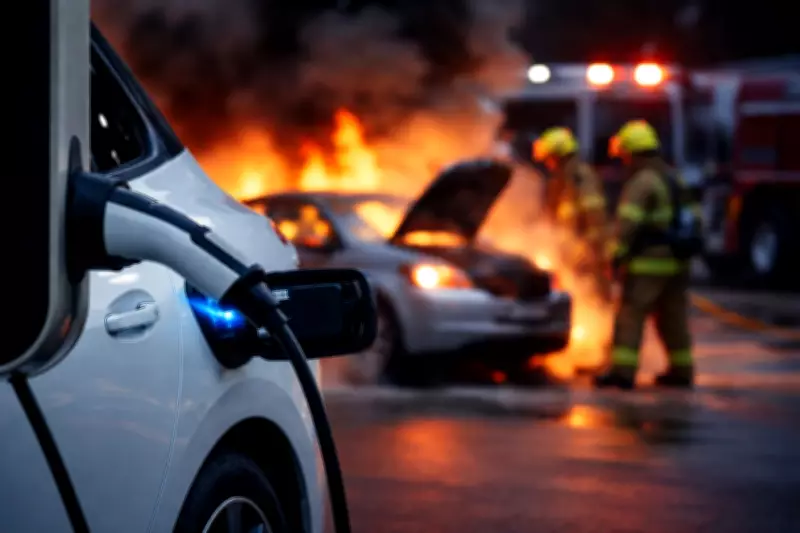
Electric Vehicle Fire Safety: A Comprehensive Guide to Prevention and Awareness
The transition of electric vehicles from novel innovations to everyday transportation has occurred with remarkable speed. These vehicles are now a common sight in residential driveways, apartment complex parking areas, and public charging stations, often recharging overnight with minimal supervision. As their presence on roads continues to expand significantly, questions regarding their safety, particularly concerning fire risks, have gained prominence within public discourse and regulatory discussions.
Understanding the Core Safety Challenge: Lithium-Ion Batteries
While fire incidents involving electric vehicles remain statistically uncommon compared to conventional vehicles, when they do occur, they typically involve the lithium-ion battery systems rather than traditional fuel sources. These advanced batteries store substantial amounts of electrical energy within compact configurations, presenting unique characteristics under stress conditions that differ fundamentally from gasoline-powered systems. Investigative reports consistently indicate that most incidents stem from ordinary, preventable factors rather than catastrophic mechanical failures. Charging routines, equipment quality standards, and maintenance schedules all contribute significantly to overall safety profiles.
Contemporary safety guidance has evolved from alarmist approaches toward practical, sustained care principles. The fundamental premise recognizes that risk typically accumulates gradually through minor oversights rather than sudden, dramatic malfunctions.

Essential Preventive Measures for Electric Vehicle Owners
Regular Battery Health Assessments and Maintenance
The battery operates silently within the vehicle's architecture, making it susceptible to being overlooked during routine considerations. Scheduled inspections at authorized service facilities enable technicians to identify emerging issues such as abnormal swelling, excessive heat accumulation, or fluid leakage. Overcharging practices place considerable strain on individual battery cells, while outdated battery management software may fail to detect preliminary warning indicators. Consistent professional evaluations substantially reduce the likelihood that concealed damage will escalate into serious safety concerns.
Exclusive Use of Certified Charging Equipment
Charging apparatus often becomes an inconspicuous element of daily vehicle operation. Manufacturer-approved chargers and connecting cables incorporate specific engineering to regulate voltage levels and manage heat dissipation safely. Uncertified alternatives frequently lack adequate insulation materials or proper electrical regulation mechanisms. Charging in well-ventilated environments proves particularly important during extended charging sessions. The utilization of extension cords introduces additional electrical risks that many owners inadvertently disregard.
Strategic Parking Considerations
Parking decisions exert cumulative effects on vehicle systems over extended periods. Prolonged exposure to elevated ambient temperatures increases thermal stress on battery components, especially when combined with charging activities. Selecting shaded parking areas or open spaces facilitates heat dispersion away from the vehicle. Maintaining adequate separation between electric vehicles and flammable materials provides an additional, straightforward protective layer.
Timely Software Update Implementation
Software systems govern numerous operational aspects within electric vehicles, including charging protocols, thermal management, and fault response mechanisms. Regular updates typically incorporate improvements in system monitoring capabilities and enhanced fault detection algorithms. Postponing these updates may result in missing subtle issues that don't manifest during ordinary driving conditions but could contribute to safety concerns.
Vigilance Regarding Early Warning Indicators

Dashboard alert notifications, unusual chemical odors, visible smoke emissions, or unexpected reductions in vehicle performance represent primary warning signs requiring immediate attention. Discontinuing charging operations promptly and contacting qualified professionals can prevent minor issues from developing into significant safety incidents.
Critical Knowledge About Electric Vehicle Fire Characteristics
Electric vehicle fires demonstrate distinct behavioral patterns compared to traditional gasoline fires. Lithium-ion batteries can experience thermal runaway processes, releasing intense heat rapidly and potentially reigniting after initial suppression. Many documented incidents follow collision events, water immersion scenarios, or charging system faults. These fires burn at higher temperatures and demand substantially greater water volumes for effective cooling, explaining why firefighting agencies approach them with heightened caution protocols.
Early warning manifestations frequently precede major incidents. These include distinctive chemical smells, audible hissing sounds, visible smoke production, dashboard warning illuminations, or sudden performance degradation. Treating these indicators seriously and responding promptly dramatically reduces overall risk exposure for vehicle owners and surrounding environments.