India appears powerful on the map, but a closer look at global maritime routes reveals a more constrained reality. The country is strategically boxed in from both sides: to the west, the Strait of Hormuz controls its energy supplies; to the east, the Strait of Malacca dominates its trade routes. A recent US defence deal with Indonesia has given Washington greater influence around Malacca, a move aimed at pressuring China. However, what many analysts overlook is that what chokes China can also choke India.
Malacca: India's Next Strategic Frontier
The Strait of Malacca is one of the world's most critical maritime chokepoints, handling about a quarter of global trade and a significant portion of oil shipments. For India, this strait is the gateway to the Asia-Pacific region and a vital artery for its growing economy. Any disruption here could severely impact Indian trade and energy security. The US-Indonesia defence deal, while targeting China, also places India in a delicate position. Washington's enhanced presence around Malacca could be used to pressure Beijing, but it also gives the US leverage over India's trade lifeline.
Trump's Weaponisation of Oil Chokepoints
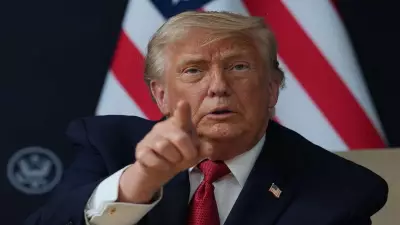
The Trump administration has increasingly used oil chokepoints as strategic tools. By strengthening alliances in key maritime regions, the US aims to control the flow of energy resources and exert influence over rivals like China. However, this strategy also affects allies and neutral nations. India, which imports most of its oil through the Strait of Hormuz, is already vulnerable. Now, with Malacca also becoming a focal point of US strategy, India faces a dual challenge: ensuring freedom of navigation while avoiding entanglement in great-power rivalries.

The Quiet Rise of Andaman and Nicobar Islands
Amid these developments, India's Andaman and Nicobar Islands are emerging as a crucial strategic asset. Located near the Malacca Strait, these islands offer India a forward base to monitor and potentially control maritime traffic. Investments in infrastructure and military facilities are turning this archipelago into a key outpost in the Indo-Pacific. In a world of narrow seas and rising tensions, geography can be either a nation's greatest weapon or its biggest vulnerability. For India, the Andaman and Nicobar Islands represent an opportunity to turn its geographic position into a strategic advantage.
Conclusion
As global powers jostle for control over maritime chokepoints, India must carefully navigate these narrow waters. The Strait of Hormuz and the Strait of Malacca are not just China's dilemmas; they are India's as well. By strengthening its presence in the Andaman and Nicobar Islands and building strategic partnerships, India can safeguard its interests and turn geography from a vulnerability into a weapon.