

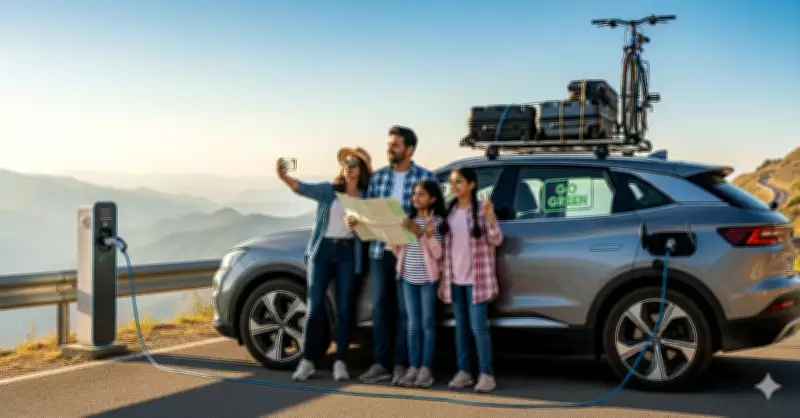
Mastering the Electric Vehicle Road Trip: A Comprehensive Guide
Venturing beyond urban boundaries with your electric vehicle has transitioned from novelty to normality. As longer-range models become increasingly accessible, intercity journeys are gaining popularity among EV owners. However, unlike conventional internal combustion engine vehicles, an electric road trip demands meticulous preparation and strategic thinking to ensure a seamless experience.
Optimize Your Driving Range Through Smart Techniques
Your driving style significantly impacts how far your electric vehicle can travel on a single charge. Maintaining consistent speeds on highways, avoiding abrupt acceleration, and maximizing regenerative braking capabilities are fundamental practices. Modern EV models often feature innovative one-pedal driving systems that automatically slow the vehicle when you lift your foot from the accelerator.
"One-pedal driving technology not only recaptures energy efficiently but also extends your vehicle's range while providing a more intuitive driving experience," explains Vastu consultant Nirmal Shah, an experienced EV owner who regularly undertakes long-distance journeys.

Strategic Route Planning Around Charging Infrastructure
Unlike traditional fuel stations that dot highways at regular intervals, electric charging points require deliberate navigation. Savvy travelers select charging stops at locations where waiting time can be productive—such as cafes, shopping complexes, or scenic viewpoints—while maintaining a comfortable buffer of 30-40 kilometers between stations. Utilizing dedicated mobile applications that map charging station networks simplifies route planning considerably.
Implement Robust Backup Systems for Unpredictable Scenarios
Despite improving infrastructure coverage, charging availability can remain inconsistent, particularly in smaller towns and rural areas. While public fast chargers can deliver up to 72 kW power, replenishing batteries to 80% capacity in approximately 20 minutes, alternatives might be limited outside metropolitan regions.
"Understanding your vehicle's charging specifications is paramount. I recommend carrying dual charging equipment—a standard portable charger for universal outlets and a fast-charger for rapid replenishment when available," advises working professional Vijay Patil, who regularly travels intercity with his electric vehicle.
Account for Environmental Variables and Terrain Challenges
Steep inclines, mountainous ghats, and challenging topography can substantially drain battery reserves, necessitating additional charging stops. Automobile expert Dr. Javeid Khan emphasizes maintaining optimal tire pressure, ensuring adequate washer fluid levels, and carrying portable air filling equipment. Extreme weather conditions—both intense heat and severe cold—also affect battery performance efficiency, requiring careful consideration during trip planning.
Pack Comprehensive Emergency and Maintenance Kits
Beyond standard road trip essentials like toolkits and first-aid supplies, electric vehicles demand specialized equipment. A reliable tire inflator, jump starter pack, high-quality flashlight, and basic mechanical tools should accompany every journey. Keeping roadside assistance contact information readily accessible provides additional security and peace of mind during unexpected situations.
Understanding Hybrid Vehicle Advantages for Extended Travel
While pure electric vehicles require careful route mapping, hybrid models offer greater flexibility for intercity travel. "In self-regeneration hybrid systems, the energy consumed by the motor simultaneously recharges the battery. Even if petrol reserves deplete completely, regenerated power can sustain vehicle operation for an additional 60-80 kilometers," clarifies architect Adish Kulkarni, a hybrid vehicle owner.
This inherent backup capability makes hybrids particularly practical in regions with developing charging infrastructure, though electric vehicles maintain superior environmental credentials and lower long-term maintenance requirements.

"Always anticipate potential charging station malfunctions or extended waiting queues. Beginning your journey with a fully charged battery from home—requiring approximately 12-13 hours for complete charging—significantly reduces range anxiety throughout your trip," concludes automotive historian and expert Adil Jal Darukhanawala.
