

As dense smog and hazardous air quality become a seasonal reality for many Indian cities, air purifiers have transitioned from luxury items to essential household appliances. With devices often running continuously for days or weeks, proper maintenance is no longer optional—it's critical for performance and longevity. Published on 22 December 2025, at 04:15 PM IST, expert advice highlights that while modern purifiers are built for endurance, they demand consistent care to deliver the promised fresh air.
The Heart of the Machine: Filter Maintenance is Non-Negotiable
The filter is the core component that traps pollutants, and its condition directly impacts your air quality. A clogged filter restricts airflow and forces the motor to work harder, reducing cleaning efficiency and potentially leading to breakdowns. Experts, including seasoned content writer Aishwarya Faraswal, advise a strict schedule: check HEPA filters monthly and plan for replacement every 6 to 12 months. For active carbon filters that absorb odors and gases, the replacement cycle shortens to 3–6 months under heavy use.
Most modern units feature indicator lights for filter health; ignoring these alerts can be costly. A simple yet effective habit is regularly vacuuming or wiping the pre-filter, which captures larger particles like dust and pet hair. This preliminary step can significantly slow down the clogging of the main HEPA filter, extending its life and maintaining optimal airflow.

Strategic Placement and Smart Operation
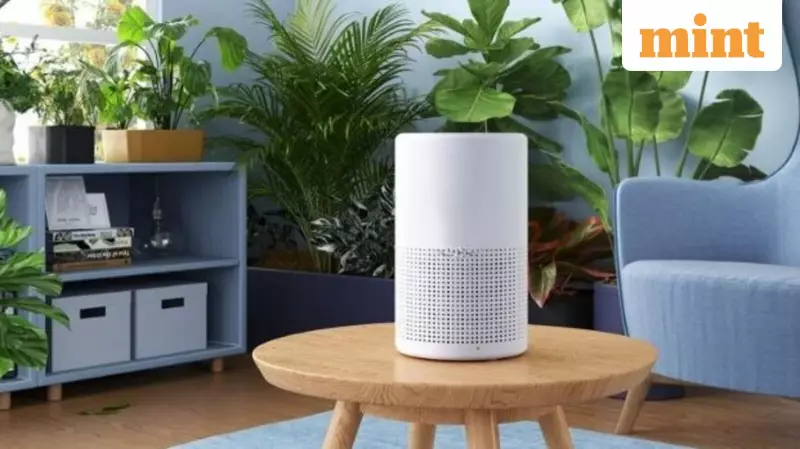
Where you position your air purifier is as important as maintaining it. For optimal circulation, place the unit on a flat, open surface with ample clearance on all sides, especially around the intake and exhaust vents. Avoid tucking it into corners, pressing it against walls, or hiding it behind furniture, as blocked vents strain the system and diminish its pollutant-capturing capability.
Regarding operation, running the purifier continuously is recommended, as indoor air is constantly contaminated by activities like cooking, cleaning, and even breathing. Utilizing the auto mode, available on many models, allows the device to intelligently adjust fan speed based on real-time air quality readings. This smart operation balances effective cleaning with energy savings and reduced noise levels.
Routine Cleaning and Common Pitfalls to Avoid
External upkeep is straightforward but vital. Weekly wiping of the exterior with a soft, damp cloth and occasional vacuuming around the vents prevent dust buildup from hindering performance. Always remember to unplug the device before any cleaning to ensure safety.
However, experts warn against several common mistakes. Never use harsh chemicals or water to clean HEPA or carbon filters unless the manufacturer explicitly states they are washable. Wetting these filters ruins their delicate fibrous structure, rendering them useless. Furthermore, avoid touching the internal air quality sensors, as they are sensitive components crucial for the accuracy of auto modes.
In conclusion, caring for an air purifier that works round-the-clock during pollution peaks requires minimal but consistent effort. By adhering to a disciplined filter replacement routine, ensuring correct placement, performing regular external cleaning, and operating the device smartly, you safeguard your investment. This proactive approach guarantees a sustained supply of clean indoor air, protects the unit from premature failure, and ensures your family breathes easier throughout the hazardous season.






