

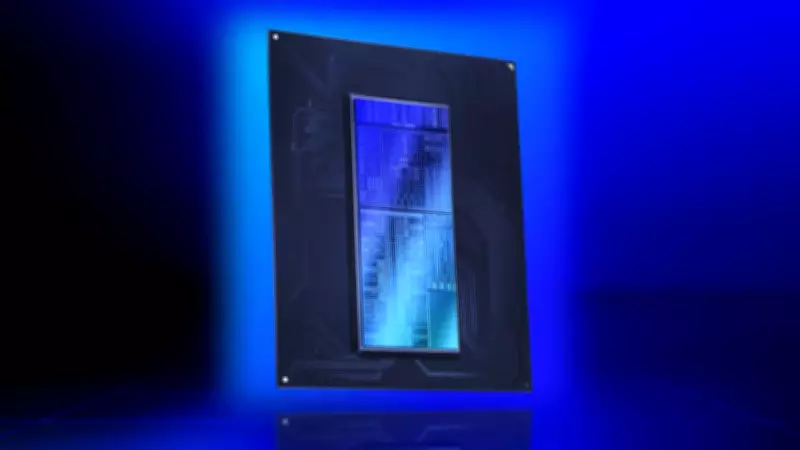
Intel Unveils New Core Ultra 9 and 7 HX Plus Mobile Processors for Enhanced Gaming and Creative Workloads
Intel has officially launched two powerful new mobile processors—the Core Ultra 9 290HX Plus and Core Ultra 7 270HX Plus—specifically designed to provide gamers and content creators with significantly more performance headroom in their laptops. These cutting-edge chips are now available in a range of new systems from leading manufacturers, including Alienware, Asus ROG, Razer, Lenovo Legion, and others, with availability starting immediately.
Revolutionary Binary Optimization Tool Delivers First-of-its-Kind Performance Boost
The most significant upgrade in these new processors is the introduction of the Intel Binary Optimization Tool, which Intel proudly describes as a first-of-its-kind feature in the industry. This innovative tool functions as a sophisticated binary translation layer that can substantially improve instructions-per-cycle efficiency, even when running games or workloads that were originally built for different x86 processor architectures or console systems.
This represents a meaningful breakthrough for performance optimization, particularly for game ports and software applications that have historically struggled to run as smoothly as intended on mobile platforms. The Binary Optimization Tool intelligently translates and optimizes code in real-time, ensuring that users experience enhanced performance without requiring developers to rewrite their software.

Substantial Performance Improvements Across Gaming and Single-Thread Applications
According to Intel's comprehensive testing and performance claims, the Core Ultra 9 290HX Plus delivers impressive gaming performance improvements. When compared directly against its predecessor, the Core Ultra 9 285HX, Intel reports up to 8% faster gaming performance across a diverse test suite of 32 popular games at 1080p High settings. The Binary Optimization Tool contributes significantly to these gains on select game titles.
Single-thread performance, as measured on the industry-standard Cinebench 2026 benchmark, shows approximately 7% higher performance compared to the previous generation. For users considering an upgrade from even older systems, the improvements become even more dramatic. When compared to 12th Generation Core i9-12900HX machines, Intel claims these new processors deliver 62% faster gaming performance and 30% faster single-thread performance, representing a substantial leap forward in mobile computing capability.
Enhanced Hardware Architecture and Advanced Connectivity Features
Beyond the software innovations, Intel has made significant hardware improvements to these new processors. The die-to-die frequency has been increased by up to 900MHz compared to both the 285HX and 265HX models. This frequency boost enables a tighter CPU-to-memory controller link, which directly translates to reduced system latency and improved overall responsiveness.
The connectivity specifications have also received comprehensive upgrades, featuring:
- Wi-Fi 7 support with 5 Gigabit capability
- Bluetooth 5.4 for enhanced wireless connectivity
- Thunderbolt 5 with 80 Gbps bidirectional bandwidth for lightning-fast data transfer
Comprehensive Launch Lineup from Leading OEM Partners
The launch of these new processors is accompanied by an extensive lineup of laptop systems from top original equipment manufacturers. Among the first to ship systems featuring the 200HX Plus processors are:
- Alienware with their Area-51 gaming laptops
- Asus ROG with the Strix SCAR 18 models
- HP refreshing their HyperX OMEN line with the new silicon
- Lenovo pushing both the Legion 7i and Legion Pro 7i with the 200HX Plus processors inside
Additional OEM builds and configurations are expected to be announced and released throughout the remainder of 2026, providing consumers with an increasingly diverse selection of high-performance mobile systems powered by these new Intel processors.

The continued expansion of processor options and performance capabilities reflects Intel's ongoing commitment to pushing the boundaries of mobile computing, particularly for demanding users in gaming and creative fields who require maximum performance from their portable systems.





