At the prestigious CES 2026 in Las Vegas, Samsung Display, a key division of Samsung Electronics, has once again captured the imagination of the tech world. The company unveiled a series of futuristic prototypes and concept devices that, while not destined for immediate store shelves, paint a vivid picture of a potential AI-driven future. These exhibits, part of a private exhibition for global clients during the trade show running from Tuesday to Friday, highlight the firm's commitment to pushing the boundaries of organic light-emitting diode (OLED) technology integrated with artificial intelligence.
Wearable AI and Interactive Robots Take Center Stage
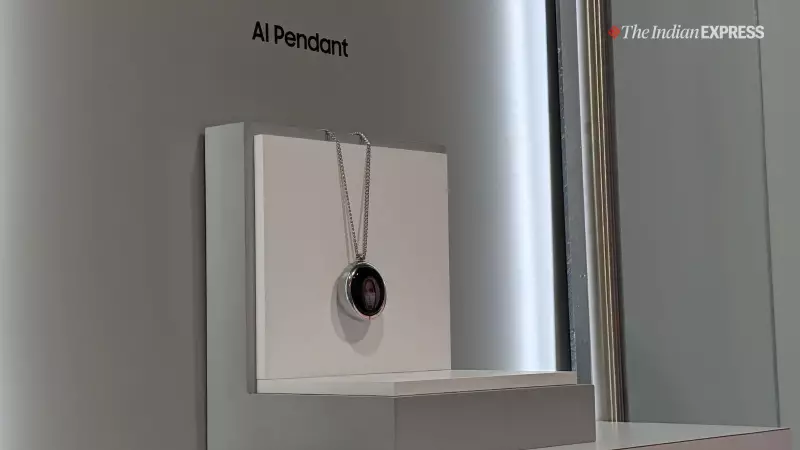
The showcase featured several eye-catching concepts, but two particularly stole the spotlight. The first was the AI OLED Pendant, a device designed to be worn around the neck like a piece of jewelry. Featuring a compact 1.4-inch round OLED display, this concept is envisioned as a potential future alternative to smartphones. It emphasizes extreme portability and voice-controlled AI agents, allowing users to access information and perform tasks hands-free with just a glance at the pendant.
Equally compelling was the AI OLED Bot, a nimble robot equipped with a expressive 13.4-inch OLED face. This interactive companion is designed to move freely and assist users through AI-powered dialogue. Samsung demonstrated its potential in educational settings, such as guiding students on a campus, sharing professor profiles, or displaying class schedules and assignments, especially in environments where using voice commands might not be ideal.

Smart Home and Wellness Concepts Redefine Interfaces
Samsung Display's vision for a seamlessly connected lifestyle was evident in several other prototypes. The company introduced an AI OLED Mirror, a 13.4-inch round device with an integrated front camera. This smart mirror goes beyond reflection, offering AI-based analysis of skin condition and temperature, subsequently providing personalized beauty and health recommendations.
For the living space, the company presented innovative AI speaker concepts like the AI OLED Mood Lamp, which synchronizes ambient lighting with music. Adding a nostalgic twist were retro-themed devices such as the AI OLED Cassette and AI OLED Turntable, demonstrating how OLED screens can add an interactive visual layer to audio experiences. The push for unified control was epitomized by the AI OLED Remote, a concept controller with a 1.3-inch display designed to command all AI devices in a home, eliminating the clutter of multiple remotes.
Advancements in Automotive and Foldable Display Tech
The exhibition also looked at the future of mobility with a Digital Cockpit concept for vehicles. This system featured flexible central displays, dedicated passenger screens, rear-seat entertainment, and even OLED tail lamps engineered to remain clearly visible in direct sunlight.
Furthermore, Samsung Display provided a glimpse into the next generation of foldable screens. Attendees saw panels that significantly minimized the visual degradation of image quality along the crease caused by light and shadow. More impressively, the company showcased a foldable display concept where the crease was completely invisible, signaling a major leap forward for this popular form factor.
Other personal device concepts included an AI Earphone Case and an AI Headset, both incorporating small round OLED displays (1.3-inch and 1.5-inch respectively) for controlling music and settings without needing to pull out a smartphone. While these prototypes from Samsung Display are primarily exploratory passion projects meant to gauge market interest, they offer a fascinating window into how AI and advanced display technology might converge to reshape our daily interactions in the years to come.