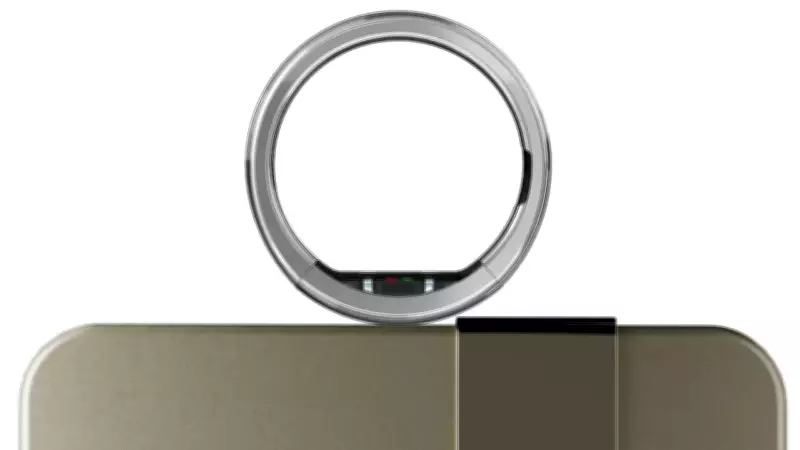
Ultrahuman Smart Ring Makes Official Return to United States Market
Ultrahuman, the Bengaluru-based smart ring manufacturer, has officially returned to the United States market after clearing US Customs and Border Protection procedures. This development ends a months-long import ban that had locked the company out of its most important international market—a situation that reportedly cost Ultrahuman up to $50 million in lost sales revenue.
Patent Dispute Origins and Market Impact
The company's troubles began in August 2025 when the US International Trade Commission ruled in favor of rival Oura, finding that Ultrahuman had infringed on Oura's patent covering the internal architecture of smart rings. Rather than settling the dispute, Ultrahuman chose to pull its Ring Air model from US shelves—a different approach than competitor RingConn, which reached a royalties agreement with Oura.
The import ban had devastating consequences for Ultrahuman's US market position. The company's market share had peaked at 24.6% by the second quarter of 2025 before plummeting to low single digits by year-end. Meanwhile, Oura's market dominance grew substantially, climbing from 63.3% to 85% over the same period.

Ring Pro: The Vehicle for US Comeback
Ultrahuman re-enters the American market with the Ring Pro, a completely redesigned smart ring that the company says addresses the specific patent claims that triggered the original ban. US pre-orders for the device opened today, with shipping scheduled to begin on May 15.
The Ring Pro features several significant upgrades including a titanium unibody construction, a redesigned heart-rate sensor, and a dual-core processor capable of on-device machine learning. The device boasts impressive battery life of up to 15 days, extendable beyond 45 days with the optional Pro Charging Case accessory.
Notably, the ring can store 250 days of health data directly on the device itself, providing users with extensive historical tracking capabilities without constant cloud synchronization.
Subscription-Free Model and Advanced Features
Ultrahuman continues to differentiate itself through its subscription-free approach to core health tracking. Basic monitoring of sleep patterns, recovery metrics, movement data, stress levels, and circadian rhythms remains completely free of subscription fees.
The company does offer advanced features as optional paid additions called PowerPlugs. These premium capabilities include atrial fibrillation (AFib) detection, ovulation tracking for women's health, and migraine insights for headache sufferers.
Pricing Strategy and Competitive Positioning
Ultrahuman has launched an aggressive pricing strategy to regain market share. The first 1,000 pre-order customers can purchase the Ring Pro along with the Pro Charging Case for $349—representing a substantial $130 discount off the regular $479 bundle price.
After the initial pre-order period concludes, the Ring Pro will start at $399 as a standalone device. The company's subscription-free model continues to represent its sharpest competitive edge against Oura, which requires ongoing subscription payments for full feature access.
Broader Market Context
The smart ring market has become increasingly competitive as consumers seek discreet, wearable health monitoring solutions. Ultrahuman's return to the US market represents a significant development in this space, potentially challenging Oura's current dominance.
Industry analysts will be watching closely to see if Ultrahuman can regain its previous market position and whether the redesigned Ring Pro successfully addresses the patent concerns that originally led to the import ban.