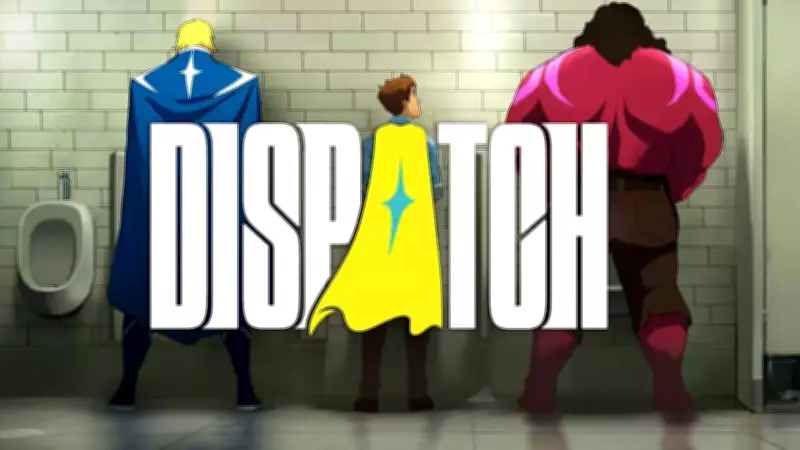
Nintendo Breaks Silence on Dispatch Censorship Controversy for Switch Platforms
Nintendo has officially addressed the growing controversy surrounding censorship in AdHoc's popular game Dispatch on its Switch and upcoming Switch 2 consoles. The issue came to light earlier this week following the game's release on Nintendo's platforms, where players discovered significant differences in content handling compared to other versions.
Mandatory Censorship Versus Optional Controls
While PC and other console versions of Dispatch offer players the choice to toggle explicit content censorship on or off according to their preferences, Nintendo's implementation takes a different approach. On Switch systems, explicit content censorship is enabled by default without providing players any option to disable it. This mandatory filtering has disappointed many players who expected the same level of control available on other platforms.
AdHoc had previously confirmed that the Nintendo version would maintain identical gameplay and narrative experiences, stating that these core elements remain unchanged from the original release. The developer emphasized that only visual and audio adjustments were implemented, preserving the game's progression, decision-making, and story elements.

Nintendo's Official Statement on Content Guidelines
In response to mounting concerns, Nintendo provided clarification through a statement to GoNintendo. A company spokesperson explained: "Nintendo requires all games on its platforms to receive ratings from independent organizations and to meet our established content and platform guidelines. While we inform partners when their titles don't meet our guidelines, Nintendo does not make changes to partner content. We also do not discuss specific content or the criteria used in making these determinations."
This statement underscores Nintendo's hands-off approach to actual content modification while maintaining strict platform standards that developers must meet before release.
Player Reports of Specific Censorship Changes
Players on Nintendo Switch systems have reported several specific alterations in the censored version of Dispatch:
- Visual coverings applied over characters' exposed body parts during certain scenes
- Decreased volume and intensity of sounds suggesting sexual activity
- Complete removal of some visual elements that remain accessible in other versions
These changes contrast sharply with the optional approach available on competing platforms, where players can customize their experience according to personal comfort levels.
Inconsistencies in Nintendo's Censorship Standards
The controversy has highlighted apparent inconsistencies in how Nintendo applies its content guidelines. Some players have pointed out that other games featuring nudity, such as Cyberpunk 2077, have not faced similar censorship requirements on Switch consoles. In that title, players can customize their character's genitalia without restrictions on Nintendo's platform.
However, it's worth noting that a separate Japanese version of Cyberpunk 2077 was released with removed nudity and decapitations, suggesting regional variations in content standards. According to Eurogamer reports, speculation suggests that Dispatch's censorship issues may stem from AdHoc's reluctance to create a Japan-only release with modified content, opting instead for a single censored version across all regions.
Dispatch's Commercial Success and Future Plans
Despite the censorship controversy, Dispatch has achieved remarkable commercial success. Following its initial release last year, AdHoc announced that the game sold over 1 million copies in just 10 days, demonstrating strong player interest. With this impressive performance, the studio is reportedly considering development of a second season, though how Nintendo's content guidelines might affect future releases remains uncertain.
The situation continues to spark discussions about platform holder responsibilities, player choice in content consumption, and consistency in applying content standards across different titles and developers.