

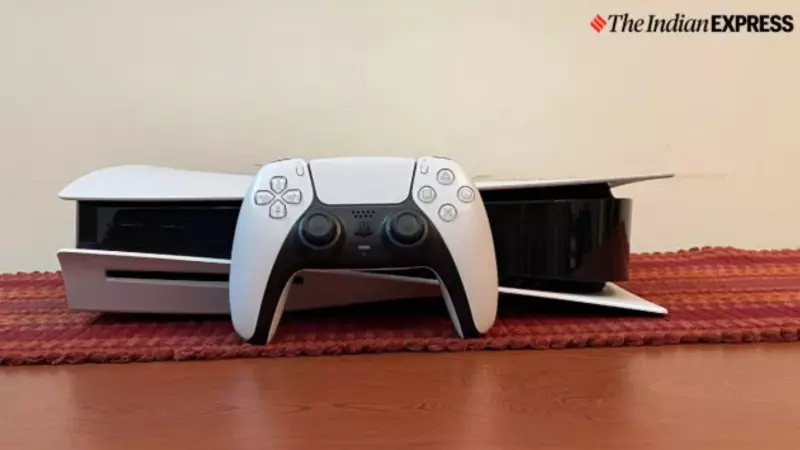
For the global gaming community eagerly anticipating Sony's next big move, the road to the PlayStation 6 (PS6) might be getting longer. New industry reports suggest that the highly anticipated next-generation console could see its launch timeline pushed back, disrupting Sony's traditional release rhythm.
The 2027 Target and the Mounting Challenges
Earlier leaks and industry analysis had pointed toward a potential launch window of November 2027 for the PlayStation 6. This timeline would have continued Sony's established cadence of releasing new console generations approximately every seven years. However, that schedule is now under serious threat due to significant pressures in the global supply chain.
The primary culprits behind the potential delay are a severe shortage of memory components and their skyrocketing prices. Random Access Memory (RAM), a critical and costly part of any modern gaming system, has become exceptionally expensive and hard to secure in sufficient volumes. This crisis is largely fueled by the explosive, insatiable demand from the Artificial Intelligence sector, which is consuming a massive share of global memory production.

AI Boom Squeezes Consumer Electronics
The ripple effects of the AI revolution are now directly impacting consumer gadgets. The same memory shortages have already forced manufacturers of laptops and smartphones to increase their prices, a trend that shows no signs of reversal. With AI companies locking down vast supplies, consumer electronics giants like Sony are left competing for a limited pool of resources, driving costs even higher.
Tipsters within the supply chain indicate that Sony is actively reassessing its PS6 roadmap in light of these challenges. The company faces a complex dilemma: proceed with the original launch plan and navigate the cost crisis, or delay the console entirely to wait for more stable market conditions.
Sony's Tough Choices: Price, Profit, or Postponement
If Sony decides to stick to a 2027 launch for the PlayStation 6, it is left with two risky financial paths. The first option is to pass the increased component costs directly to consumers, resulting in a prohibitively high launch price that could severely dampen early adoption and sales momentum—a critical period for any new console.
The second option is for Sony to absorb the extra costs internally to keep the PS6 price competitive. This move would drastically squeeze profit margins on hardware that is already expensive to engineer and produce. Given these unappealing choices, a third option is gaining traction: delaying the PS6 launch altogether until the supply chain stabilizes and component costs become more manageable.
This potential postponement underscores a new reality where the strategic needs of AI companies are reshaping timelines for other technology sectors, including premium gaming. For now, gamers who were marking their calendars for late 2027 may need to exercise more patience as Sony navigates this high-stakes component crisis.






