

Astronauts Create Memorable Space Cake Using Humble Ingredients
When astronauts aboard the International Space Station (ISS) famously made pizza in space back in 2017 using tortillas, sauce, cheese, and various toppings, many considered it a pinnacle of extraterrestrial culinary achievement. This was followed by NASA's testing of a specialized zero-gravity cookie oven on the station in 2019. Now, in a remarkable development, astronauts have successfully baked a simple yet delicious cake using just four basic ingredients, demonstrating continued innovation in space cuisine.
Indian Astronaut Shares Heartwarming Baking Anecdote
Group Captain Shubhanshu Shukla, an Indian Air Force officer and astronaut with the Indian Space Research Organisation, recently shared a captivating story about his crewmates' baking accomplishment during his time on the ISS. On his official account, he humorously noted, "I possess many admirable qualities, but baking, whether on Earth or in orbit, is decidedly not among them, at least not yet. Fortunately, my crewmates aboard the station were far more gifted in that department."
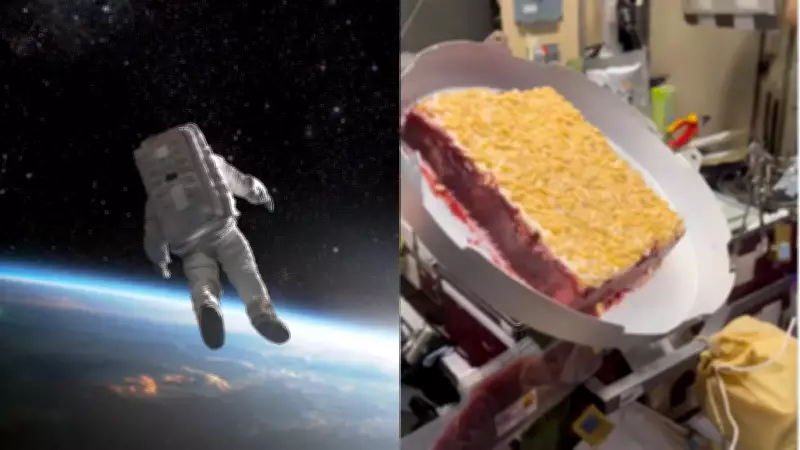
Shukla described how during a rare evening break in their demanding schedule, the international crew gathered for a small celebration and decided to bake a cake. They utilized surprisingly simple ingredients: bread, condensed milk, dried fruits, and what he called a "touch of jam." He shared an image of the finished cake floating weightlessly inside the station, captioning it, "I can say without hesitation that it was the finest 'space cake' I've ever had, and perhaps the most memorable."

The Profound Human Experience of Space Living
The astronaut reflected deeply on the significance of such moments, writing, "Moments like these were precious. In between experiments and responsibilities, we carved out time to come together—astronauts from different corners of the world—sharing food, laughter, and stories while orbiting Earth at 7.6 kilometers per second." He concluded with a powerful observation about planetary perspective, stating, "Up there, looking down at our planet without borders, it becomes beautifully clear: whatever flags we carry, we are, all of us, citizens of Earth."
The Complex Science of Baking in Microgravity
While the ingredients were humble and relatively easy to handle, baking this cake represented an extraordinary feat of space adaptation. The science behind it is particularly impressive because conventional baking on Earth relies heavily on convection, where hot air rises, circulates naturally, and cooks food evenly throughout.
However, in the microgravity environment of space, convection simply does not occur. Heat transfer happens only through radiation and direct conduction, leading to wildly uneven temperature distribution that makes traditional baking extremely challenging. Experts note that free-floating ingredients pose genuine risks, including potential inhalation hazards and fire dangers.
The crew's ingredient selection demonstrated clever problem-solving. Condensed milk and jam are viscous and shelf-stable, minimizing spillage. Dried fruits add desirable texture without creating loose particles that could float away. Remarkably, this combination required no conventional oven, showcasing innovative thinking.
The Vital Role of Cooking in Space Missions
According to analysis from the National Air and Space Museum's aerospace podcast, cooking in space plays a crucial multi-faceted role in sustaining astronauts' physical health, psychological well-being, and overall mission success. Beyond providing basic nutritional requirements, preparing food helps combat menu fatigue from repetitive, pre-packaged meals and significantly boosts crew morale through familiar, comforting rituals.
These culinary activities foster teamwork, provide psychological respite from intense workloads, and maintain a connection to Earthly traditions. As space missions grow longer and more ambitious—with plans for lunar bases and Mars expeditions—developing practical, enjoyable cooking methods becomes increasingly essential for crew sustainability and mission accomplishment.






