Mansukhbhai Prajapati's Clay Refrigerator: A Frugal Innovation for Rural India
On a sweltering day in rural India, the challenge of keeping milk, vegetables, and drinking water cool transcends mere convenience—it becomes a matter of survival. This is the reality that inspired Mansukhbhai Prajapati, a skilled potter from Gujarat, to create a revolutionary clay refrigerator that operates entirely without electricity. Harnessing the ancient principle of evaporation, Prajapati's invention offers a sustainable and accessible cooling solution for communities grappling with power shortages and economic constraints.
The Genesis of an Idea from Disaster
The story of this innovative refrigerator began in the aftermath of the devastating 2001 Gujarat earthquake. Prajapati witnessed firsthand the struggles of families who had lost their homes, electricity, and basic means to preserve food. Motivated by this disruption, he embarked on a mission to develop a low-tech answer that could provide relief and resilience. Over nearly four to five years of persistent experimentation, he refined different clay mixtures, ultimately discovering the perfect formula by incorporating materials like sawdust and sand to create a porous clay body.
How the Clay Refrigerator Works
The engineering behind Prajapati's refrigerator is elegantly simple yet highly effective. Water is poured into an upper chamber, where it slowly seeps through the porous clay walls. As this moisture evaporates from the outer surface, it draws heat away from the inner chamber, creating a natural cooling effect without the need for compressors, coils, or any electrical input. According to the National Innovation Foundation, this evaporation-based process can maintain a cooling gap of approximately 5–8°C below the ambient temperature, keeping fruits, vegetables, milk, and drinking water fresh for two to three days. The device performs optimally in hot, dry climates where evaporation rates are highest.

Impact on Ordinary Households
Prajapati's refrigerator was never intended as a luxury item; instead, it was designed specifically for households unable to afford the high upfront costs of conventional refrigerators or the ongoing burden of electricity bills. The United Nations Conference on Trade and Development has hailed it as a prime example of frugal innovation, noting its affordability at less than $50 (around ₹2,500 retail price). This makes it a practical alternative for families living with unreliable electricity and limited financial resources, addressing a daily problem with a solution rooted in local materials and traditional knowledge.
From Village Workshop to National Recognition
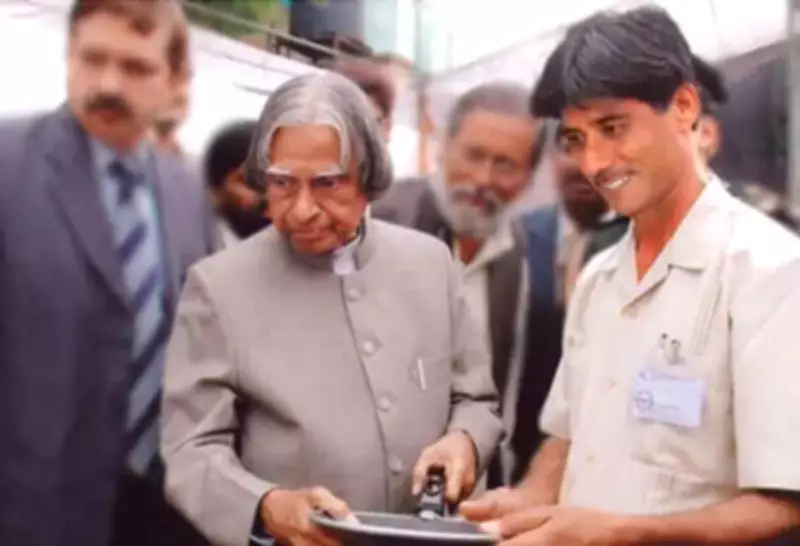
What makes Prajapati's story particularly compelling is its intersection of craft, necessity, and invention. As a potter, he leveraged his deep understanding of clay to reimagine traditional techniques for modern applications. His innovation gained national attention when the National Innovation Foundation recognized him in its 2009 competition for grassroots innovations. Later, Forbes included him in a 2010 list of rural Indian entrepreneurs whose inventions are transforming lives. Reports from The Better India highlight that Prajapati expanded his business to include other clay-based products, such as water filters, pressure cookers, and tawas, further demonstrating the scalability of his approach.
The Enduring Legacy of a Simple Solution
The deeper appeal of Prajapati's clay refrigerator lies not just in its functionality without electricity, but in its embodiment of context-driven innovation. In a country where heat, frequent power cuts, and affordability issues are daily realities for many, this invention serves as a powerful reminder that progress does not always require high-tech gadgets or urban labs. It underscores how traditional skills can be adapted into practical, scalable solutions that meet real-world needs. Prajapati's story has become a case study in frugal innovation, challenging the notion that advanced technology is the sole path to improvement. The refrigerator itself may be modest, but the thinking behind it—using available resources, minimizing costs, and designing for everyday life—is profoundly bold, ensuring its relevance long after initial headlines have faded.