

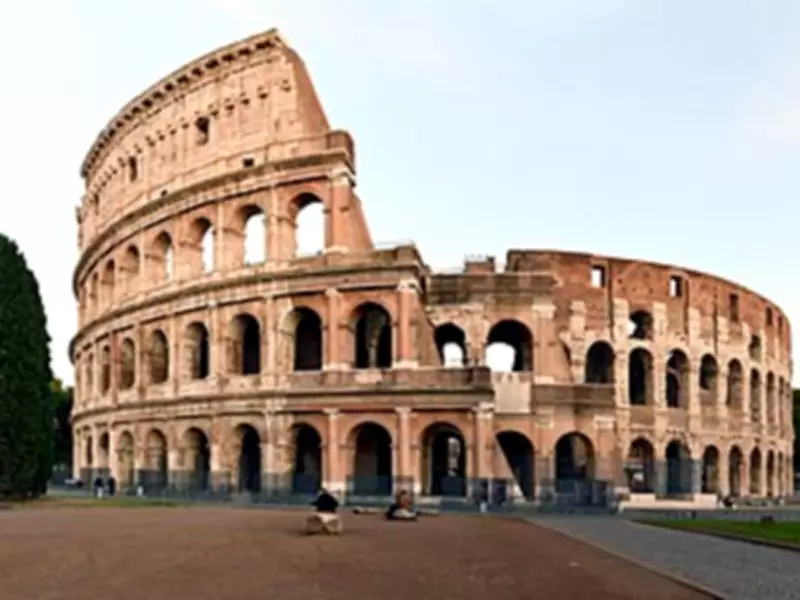
The Roman Colosseum stands as one of the most iconic landmarks on Earth. Over centuries, popular imagination has often reduced this amphitheater's history to a simple stone-built bowl where gladiators fought as crowds cheered or booed. However, the spectacles visible on the surface depended on an enormous hidden world beneath the floor. Far from being a static stone ring, the Colosseum functioned as an advanced performance space, with its most dramatic engineering lying beneath the arena in a complex underground labyrinth.
Look Beneath the Surface
To truly understand the Colosseum, one must look beneath the surface. Under the arena's wooden floor lies the hypogeum, an intricate underground system of tunnels, corridors, staging areas, and mechanical infrastructure. The main structure of the Colosseum was constructed between 72 and 80 CE under the Flavian emperors Vespasian and Titus, with Emperor Domitian later completing the sophisticated hypogeum system. This underground labyrinth served as a backstage area, directing the movement of fighters, animals, scenery, and equipment out of spectators' sight. The space was meticulously organized to manage the spectacle, transforming a massive stone structure into a dynamic source of Roman entertainment.
The Art of Engineering Surprise
Traditional narratives often portray the Colosseum merely as a venue for violence, but its design was specifically intended to create dramatic effects. The hypogeum featured traps, lifts, and ramps hidden from view. Gladiators and animals did not simply walk onto the field; they could appear suddenly through concealed entrances and lifts. By controlling timing, visibility, and entry points, workers beneath the arena could stage sudden appearances that startled and amazed spectators. This hidden work transformed the arena into an instrument of state theater. For Roman audiences, the displays may have seemed spontaneous because the mechanisms and labor behind them were concealed. It was a deliberate display of imperial power, demonstrating that emperors could manipulate nature and people with precision.

Why the Underground System Matters
The stark contrast between the Colosseum's upper and lower levels is what makes it so striking today. The upper level features travertine and tufa stonework designed for public gatherings, while beneath it lies a complex system of machinery and passageways engineered for theatrical effects. According to the World History Encyclopedia, this marvel of Roman design could hold more than 50,000 people, who were shielded from the sun by a massive awning. The structure's ingenuity extended beyond seating arrangements; the seamless integration of underground tunnels with the arena floor allowed events to unfold quickly and dramatically. For modern visitors, looking past the ruined walls into the stained tunnels of the hypogeum makes the stadium feel less like a ruined monument. It becomes easier to imagine the arena as an active venue with a roaring crowd. This invites us to look beneath the surface of time and recognize that one of Rome's greatest engineering achievements was not just the Colosseum itself, but the system beneath it.
About the Author: TOI Science Desk - The TOI Science Desk is an inquisitive team of journalists ceaselessly delving into the realms of discovery to curate a captivating collection of news, features, and articles from the vast world of science for readers of The Times of India. Consider them your scientific companion, delivering a daily dose of wonder and enlightenment. Whether it is the intricacies of genetic engineering, the marvels of space exploration, or the latest in artificial intelligence, the TOI Science Desk ensures you stay connected to the pulse of the scientific world. They are not just reporters but storytellers of scientific narratives, committed to demystifying science and making it accessible and engaging for readers of all backgrounds.






