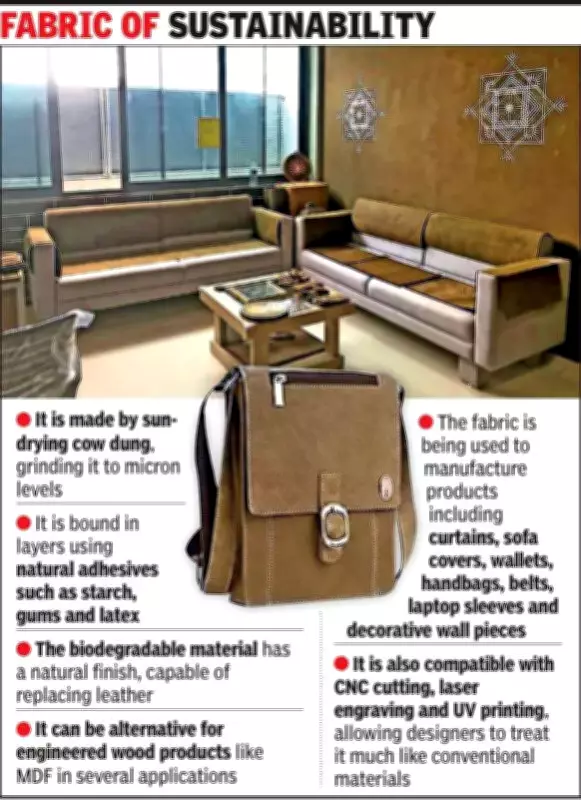
From Rural Waste to Modern Luxury: The Cow Dung Fabric Revolution
In a remarkable fusion of ancient tradition and contemporary innovation, cow dung is being transformed from a humble rural resource into high-end sustainable materials. This quiet revolution is gaining momentum across India, with applications ranging from celebrity fashion to eco-friendly construction.
Celebrity Endorsement and Spiritual Blessings
Veteran actor Suresh Oberoi sleeps each night on a mat crafted from cow dung, while superstar Kareena Kapoor has been spotted carrying an elegant handbag made from the same unlikely material. The movement received significant validation when spiritual leader Sri Sri Ravi Shankar blessed products created from this unconventional source, signaling a profound shift in how traditional materials are being reimagined for modern living.
The Innovation Behind the Transformation
At the heart of this transformation is Bhayli-based Gobarshala Organic Building Material LLP, which has secured a patent for its groundbreaking "Process for Manufacturing Biodegradable Fabric from Cow Dung Components." This innovation converts cow dung into flexible, textile-grade fabric suitable for diverse applications including fashion, furnishings, and sustainable construction.

The manufacturing process involves:
- Sun-drying cow dung to remove moisture
- Grinding the material to micron levels for fine texture
- Binding layers using natural adhesives like starch, gums, and latex
- Creating a biodegradable material with a natural finish that can replace leather
Construction Applications and Major Projects
The technology is already being implemented in significant infrastructure projects. Gobarshala is currently executing a sustainable construction project at Maharishi Mahesh Vedic University in Gudur, Andhra Pradesh. This initiative, part of a larger Vedic township development by Aishwarya Vignan Educational Society, utilizes cow dung-based materials for plaster, putty, paints, and flooring.
"We wanted to create a material that is not just sustainable but also functional and scalable," explained Vipul Patel, the 53-year-old electrical engineering diploma holder who began researching the concept in 2022. His firm was formally established in March 2024 after years of experience with fly ash-based products.
Beyond Sustainability: Thermal Properties and Wellness Benefits
The appeal of cow dung-based materials extends beyond environmental considerations. Patel emphasizes that the fabric retains cow dung's natural thermal properties, resisting heat transfer and helping regulate temperature effectively.
"It keeps you warm in winter and prevents heat from entering the body in summer," Patel noted, adding that footwear and meditation mats made from the fabric are gaining popularity among wellness practitioners.
He elaborated on the wellness philosophy behind the material: "Basically, there is ancient wisdom in its applicability — one's feet should stay warm, the stomach flexible, and the head cool for healthy living."
Industry Recognition and Cultural Acceptance
The innovation has attracted attention from both industry leaders and cultural figures. At Conscious Collective 2025, an exhibition hosted in Mumbai, Gobarshala showcased its products to architects and industrialists. Actor Kareena Kapoor, who visited the exhibition, reportedly took home a cow dung handbag.
The initiative has received institutional support from Nyrika Holkar, executive director of Godrej & Boyce, who has backed efforts to promote eco-friendly materials. Meanwhile, Sri Sri Ravi Shankar has felicitated the team and endorsed products ranging from wallets to travel bags.
Expanding Product Range and Applications
Beyond fabric, Gobarshala has developed a comprehensive suite of cow dung-based products including:
- Fiber boards as alternatives to plywood
- Biodegradable flower pots and mulching films
- Construction materials like bricks, plaster, and paints
Notably, cow dung bricks disintegrate into fertilizer at the end of their lifecycle, unlike conventional bricks that contribute to pollution. The fabric itself is being used to manufacture curtains, sofa covers, wallets, handbags, belts, laptop sleeves, and decorative wall pieces.

Technical Compatibility and Design Flexibility
The material demonstrates impressive technical versatility, being compatible with CNC cutting, laser engraving, and UV printing. This allows designers to treat it much like conventional materials while maintaining its eco-friendly credentials. The fabric can serve as an alternative for engineered wood products like MDF in various applications.
Creating Rural Value Chains
Gobarshala sources raw material from farmers and gaushalas while providing training to create a decentralized rural value chain. Religious institutions such as ISKCON and various ashrams across Gujarat, Rajasthan, Uttar Pradesh, and Assam are among the growing customer base.
Growing Market Demand
With more than 5,000 projects registered under the Indian Green Building Council in Gujarat alone, demand for sustainable construction materials is rising significantly. Patel believes cow dung-based products could play a crucial role in this transition.
"In fact, there are homes even in Vadodara that have started using plaster and paints made from cow dung," he revealed, indicating the technology's growing acceptance in urban settings.
This innovative approach represents more than just a new material—it symbolizes a fundamental rethinking of waste, tradition, and sustainability in modern India. By transforming what was once considered waste into valuable products, Gobarshala is creating new economic opportunities while addressing environmental concerns, proving that ancient wisdom and modern innovation can create powerful solutions for contemporary challenges.