

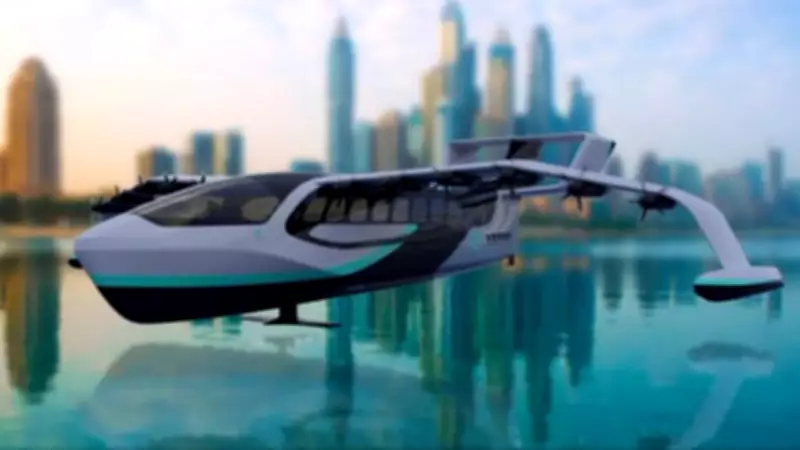
Electric Seagliders Poised to Revolutionize Coastal Travel in the UAE
A groundbreaking electric seaglider transport system, designed to glide above water surfaces, is on track to become a reality in Abu Dhabi and across the United Arab Emirates. This innovation signals a major shift in coastal travel and logistics, blending high-speed marine and aircraft technologies with zero emissions. Government partnerships and private sector efforts are rapidly advancing this concept, positioning the UAE at the forefront of next-generation mobility solutions.
What Are Electric Seagliders?
Electric seagliders are fully electric, Wing-in-Ground-Effect (WIG) craft that travel just above the water's surface. They utilize aerodynamic lift combined with hydrofoil technology, creating a cushion of air for efficient and swift movement. These vehicles offer greater efficiency than traditional boats and significantly faster speeds than typical marine transport.
A prominent model in development is the REGENT Viceroy, an electric WIG vehicle capable of carrying several passengers at speeds up to 290 kph (180 mph). As battery technology advances, its long-range capabilities are expected to improve, making it a viable option for various applications.

Abu Dhabi's Leadership in Water Travel Innovation
Abu Dhabi has taken a leading role by signing agreements with operators to introduce electric seagliders to the emirate by 2028. This initiative involves key entities such as the Department of Culture and Tourism, Abu Dhabi (DCT Abu Dhabi), the Abu Dhabi Investment Office (ADIO), and the Integrated Transport Centre (Abu Dhabi Mobility).
Badr Al-Olama, Director General of ADIO, emphasized that seagliders could position Abu Dhabi as a pioneer in smart and sustainable coastal transportation. Initial routes are planned to connect coastal communities like Abu Dhabi City and Al Dhafra Region, with expansions across the broader UAE coast in subsequent phases.
How Seagliders Could Transform Travel in the UAE
The potential applications of electric seagliders are extensive and diverse:
- Faster Coastal Commuting: These vehicles could dramatically reduce travel times compared to traditional boats and road transport. For instance, a journey between Abu Dhabi and Dubai might take only 25–30 minutes, a significant improvement over current road travel durations.
- Tourism and Connectivity: As a zero-emission and visually striking mode of transport, seagliders are set to enhance the UAE's reputation as a cutting-edge travel and tourism hub, offering unique experiences for both domestic and international visitors.
- Logistics and Cargo: Global logistics players, including DHL Express, have signed agreements to explore using seagliders for coastal and short-haul freight operations. This technology could reduce delivery times and emissions in cargo transport, aligning with sustainability goals.
- Offshore Support: Energy companies like ADNOC Logistics & Services have expressed interest in deploying seagliders to ferry workers to and from offshore installations. This could improve safety and efficiency while reducing reliance on helicopters or traditional boats.
Prototype development is already underway, with electric seaglider models undergoing sea testing phases. REGENT, the primary company behind this technology, expects commercial readiness between 2026 and 2028, aligning with Abu Dhabi's phased rollout plans.
Challenges and Considerations for Seaglider Implementation
Despite the promising outlook, several challenges must be addressed:

- Regulation and Safety: As a new class of vehicle, electric seagliders will require clear regulatory frameworks and safety protocols, particularly in areas overlapping maritime and aviation domains.
- Weather and Sea Conditions: Performance in rough seas or adverse weather conditions needs careful evaluation, given the WIG technology's operation close to the water surface.
- Infrastructure: Upgrades to harbours, ports, and docking facilities will be necessary to support widespread seaglider operations and ensure seamless integration into existing transport networks.
These challenges reflect the maturation process typical of disruptive transport technologies. However, the UAE's commitment to diversified and sustainable transportation models underscores the potential for electric seagliders to redefine coastal mobility.
Broader Context and Future Outlook
The UAE's interest in seagliders is part of a wider effort to develop electric and autonomous transport solutions across land, air, and sea. Initiatives such as electric air taxi projects in Abu Dhabi and advanced road automation trials demonstrate a holistic approach to future mobility.
Embedded in policy visions like the UAE's Net Zero by 2050 Strategy, these innovations aim not only to improve travel times but also to reduce carbon footprints and promote clean technology adoption. Electric seagliders represent a visionary leap beyond traditional ferries and hydrofoils, encapsulating cutting-edge engineering and zero-emission ambitions.
If plans proceed as expected, electric seagliders could soon be gliding above UAE waters, transforming coastal travel, tourism, and logistics. This innovative mode of transport highlights how sustainable mobility solutions are reshaping some of the world's busiest maritime corridors, setting a new standard for the future of transportation.





