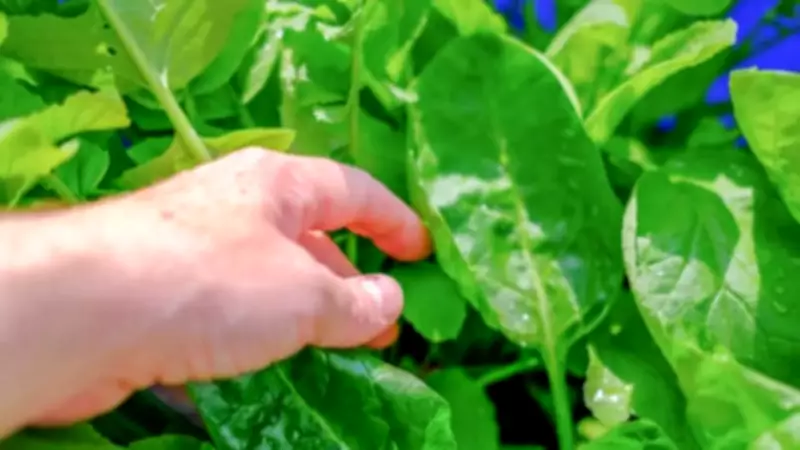
Many people have embraced home vegetable gardens in recent years. Apartment dwellers and those with limited outdoor space are increasingly keen on cultivating crops on balconies or terraces. Spinach, a popular leafy green, is easy to plant and harvest due to its rapid growth cycle. According to gardening experts, with proper control of light intensity, watering, and temperature, spinach can be grown all year round, even on balconies, windowsills, terraces, and tiny kitchen gardens.
Use Suitable Containers with Proper Drainage
Spinach roots are shallow and do not require deep soil to thrive. Experts recommend using pots, grow bags, wooden boxes, or recycled containers, all of which must have drainage holes to prevent waterlogging. For small spaces, railings can be used to attach containers, or vertical racks can be employed. Proper drainage is crucial to avoid root rot, which can occur rapidly in waterlogged conditions.
Use Loose and Nutrient-Rich Soil
Healthy spinach growth depends largely on soil quality. Gardeners advise using loose soil with good drainage and ample nutrients. A mix of compost, coco peat, and organic manure supports root development. Dense soil can lead to smaller, unhealthy leaves. Since spinach is grown for its leaves, the soil should be rich in nitrogen to promote lush foliage.

Provide Proper Sunlight Without Hot Temperatures
Spinach thrives in light but is sensitive to high temperatures, which can cause stress or bolting (premature flowering). Experts recommend several hours of light daily, but avoid intense heat. Positioning containers to receive morning sunlight only is a common practice. Partial shading may be necessary during warm seasons to protect the plants.
Maintain a Proper Watering Regime
Consistent soil moisture is key to growing healthy spinach leaves. Water whenever the top layer of soil feels slightly dry. Overwatering can quickly damage roots, so careful attention is needed, especially in small-space gardens. Mulching with dry leaves or coco peat helps retain appropriate moisture levels.
Harvest Leaves Regularly to Prolong Plant Life
One advantage of spinach is its ability to regrow after harvest. Instead of uprooting the entire plant, gently remove the outer leaves when they are ready. This encourages regrowth and extends the harvesting period. Many gardeners also plant new seeds every few weeks to ensure a continuous supply.
Avoid Pests and Unfavourable Temperatures
Although spinach is easy to grow, it can be affected by pests such as aphids, snails, and fungus gnats. Regularly inspect leaves to detect infestations early. Natural remedies like neem oil or mild soap solution are effective against these pests. During extreme weather, bring containers indoors to protect the plants from stress.