

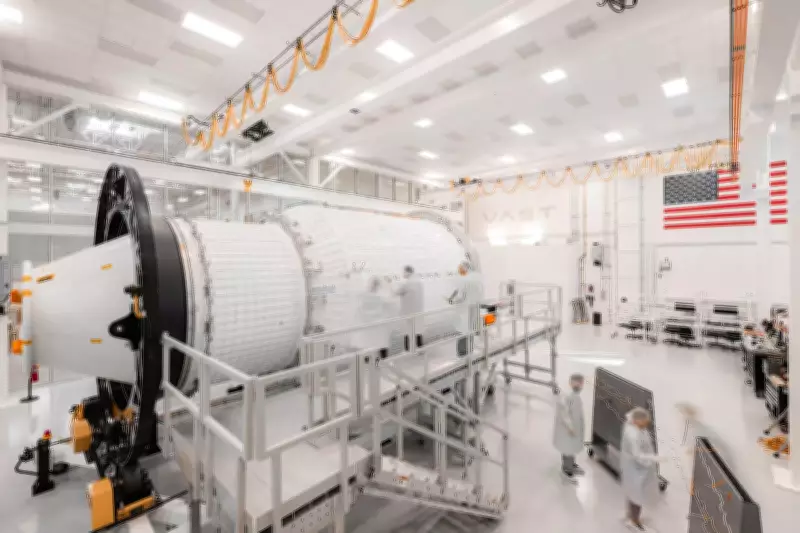
Vast's Haven 1 Commercial Space Station Moves into Assembly Phase with 2027 Launch Target
Construction has officially commenced on Haven 1, a pioneering commercial space station developed by the U.S.-based company Vast. This significant milestone arrives as the International Space Station (ISS) nears the end of its operational lifespan, with private enterprises increasingly taking on pivotal roles in low Earth orbit activities. Vast envisions Haven 1 operating as an independent, crewed facility, serving as a precursor to a more expansive multi-module platform designated Haven 2.
Hardware-Focused Development and Launch Details
The company describes its program as a hardware-centric initiative, emphasizing early construction and rigorous testing of flight systems to mitigate risks. Launch is now scheduled for the first quarter of 2027, utilizing a SpaceX Falcon 9 rocket from Cape Canaveral in Florida. This timeline reflects Vast's commitment to advancing space infrastructure with practical, flight-ready components rather than theoretical designs.
Phased Integration and Testing Process
The initial phase of integration focuses on installing pressurized fluid systems, which include:

- Thermal control lines
- Life support tubing
- Propulsion system pipes
- Associated tanks and trays
Engineers will conduct comprehensive pressure and leak tests before proceeding to subsequent stages. Future phases will incorporate avionics, guidance and navigation systems, and air revitalization hardware. Final assembly will complete the crew interior, external shielding against micrometeoroids and orbital debris, thermal radiators, and solar arrays. Once fully assembled, the station is slated to undergo environmental testing at NASA's Neil Armstrong Test Facility in 2026.
Strategic Role as ISS Successor
Vast positions Haven 1 as a foundational step toward Haven 2, a larger station intended to sustain a continuous human presence in low Earth orbit. The company has proposed this future complex as a commercial successor to the ISS, addressing the impending gap after its retirement. Haven 1 itself is designed to support microgravity research, manufacturing, and government utilization, with Vast aiming to enhance orbital access at reduced costs while prioritizing human safety.
Cost-Effective Manufacturing Approach
According to Vast, its development model employs vertically integrated manufacturing, enabling shorter cycles of building, testing, and refining hardware. This innovative approach has reportedly slashed primary structure manufacturing costs by a factor of ten compared to traditional station programs. CEO Max Haot emphasized the goal of establishing a sustainable orbital presence without interruption post-ISS, describing Haven 1 as tangible, flight-ready hardware. As integration progresses, the schedule has been adjusted to early 2027, with each stage providing clearer insights and data.






