

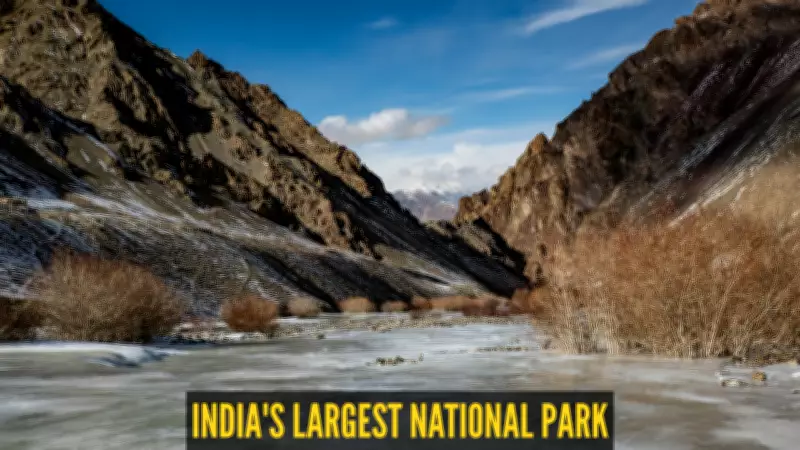
Ladakh often receives acclaim for its dramatic mountains, turquoise lakes, and historic monasteries. However, nestled within this rugged terrain lies one of India's finest natural treasures: Hemis National Park. Spanning the Trans-Himalayan expanse of Ladakh, this massive protected area is not only India's largest national park but also one of the world's premier destinations for spotting the elusive snow leopard. For those seeking raw natural beauty, this is a must-visit destination.
Where is Hemis National Park?
Hemis National Park is located in eastern Ladakh, just south of the Indus River and about 45 kilometers from the regional capital, Leh. Established in 1981, it covers a vast 4,400 square kilometers, making it India's largest national park. The reserve extends across parts of the Zanskar Range, encompassing some of Ladakh's most renowned valleys, including Rumbak, Markha, and Sumdah. Due to its extreme remoteness and harsh terrain, the area has preserved a unique ecosystem that supports some of the most unusual and rare wildlife found anywhere in the Himalayas.
How to Reach Hemis National Park
The most convenient way to access Hemis is by using Leh as a base.

By Air: Fly into Kushok Bakula Rimpochee Airport in Leh, which has excellent connections to Delhi, Srinagar, Chandigarh, and Jammu. A flight from Delhi takes approximately one and a half hours.
By Road: For a road trip, drive to Leh via the scenic Srinagar-Leh or Manali-Leh highways, though these routes are only open during the summer months.
Once in Leh, local taxis or public transport can easily reach the park's trailheads and entry points. The iconic Hemis Monastery serves as a gateway to the park and is about an hour's drive from Leh.
Best Time to Visit: June and July
June and July are the prime months to experience Hemis. After a harsh winter, the region comes alive with pleasant weather, clear roads, and active wildlife. In June, daytime temperatures range from 15°C to 25°C, with cooler nights. July sees daytime highs of 25°C to 30°C, marking the warmest period. Clear skies are common, ideal for trekking, photography, and sightseeing. High mountain passes and trails are open, and alpine meadows bloom with colorful wildflowers fed by melting snow.
What Makes Hemis National Park Special?
Hemis is set in a Trans-Himalayan cold desert, distinct from typical Indian wildlife reserves with thick forests. Its landscape features stark, barren mountains, deep gorges, rocky cliffs, and high-altitude grasslands. Located north of the Great Himalayan Range within the Palearctic ecological zone, its biodiversity and scenery are unique. Altitudes range from about 3,000 meters in valleys to peaks exceeding 6,000 meters.
A Paradise for Wildlife Lovers
Hemis is renowned as a premier sanctuary for the snow leopard, often called the "Ghost of the Mountains." The park boasts one of the highest densities of snow leopards globally, making it a bucket-list destination for wildlife enthusiasts and photographers. Other notable mammals include Himalayan Blue Sheep (Bharal), Asiatic Ibex, Ladakhi Urial (Shapu), Tibetan Wolf, Eurasian Lynx, Red Fox, Himalayan Marmot, and Woolly Hare. Birdwatchers can spot Golden Eagle, Himalayan Griffon Vulture, Lammergeier (Bearded Vulture), Tibetan Snowcock, and Chukar Partridge.
Unique Flora of the Cold Desert
Despite the harsh conditions, Hemis hosts a surprising variety of plant life. Alpine shrubs, hardy mountain plants, and medicinal herbs have adapted to the freezing, dry winters and low rainfall. The area is valued for rare medicinal plants used in traditional Tibetan medicine. In summer, greenery appears along streams and riverbanks, adding color to the barren rock faces.
Trekking Through the Heart of the Himalayas
Hemis is one of India's top trekking destinations, with trails weaving through isolated villages, river valleys, and mountain passes.

- Markha Valley Trek: The most popular, taking 4-5 days through picturesque villages, river crossings, and high-altitude campsites with views of Kang Yatse peak.
- Rumbak Valley Trek: Ideal for wildlife, offering opportunities to spot blue sheep, golden eagles, and possibly snow leopards.
- Spituk to Stok Trek: A shorter route linking monasteries, rugged passes, and traditional settlements with panoramic views of the Indus Valley and Karakoram Range.
Many trails rely on community-run homestays, allowing visitors to experience authentic Ladakhi culture.
Things to Know Before You Go
Due to the high altitude, spend at least two days acclimatizing in Leh before undertaking hikes or strenuous activity. Pack warm layers, as temperatures drop significantly after sunset. Sturdy walking boots, sun protection, and a water bottle are essential. Some areas of Ladakh require specific permits.





