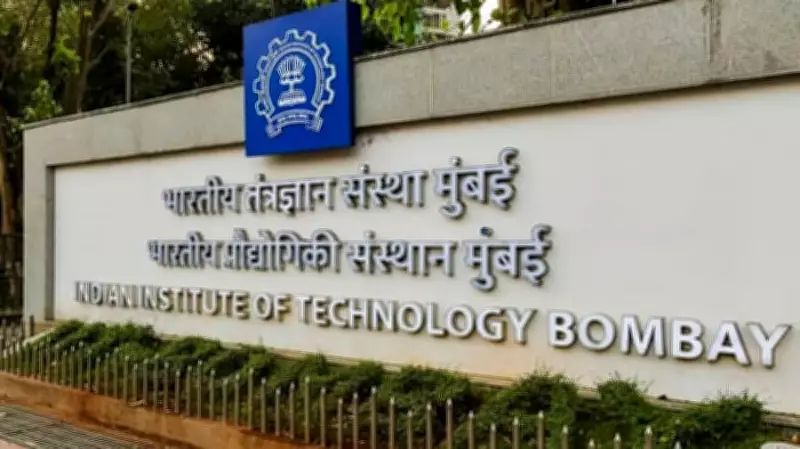
IIT Bombay Pioneers Dry Leaf Waste Conversion into Clean Cooking Gas
In a groundbreaking development, researchers at the Indian Institute of Technology Bombay (IIT Bombay) have unveiled an innovative technology that transforms dry leaf waste into clean cooking gas. This breakthrough promises to significantly reduce dependence on traditional LPG cylinders, offering a sustainable and eco-friendly solution for households across Maharashtra and beyond.
Addressing Dual Challenges: Waste Management and Energy Needs
The innovation directly tackles two pressing issues: the mounting problem of urban leaf waste disposal and the rising demand for affordable cooking fuel. By converting dry leaves, which are often burned openly or left to decompose, into usable gas, the technology not only mitigates air pollution but also provides a renewable energy source.
How the Technology Works: The process involves a specialized bioreactor system that breaks down dry leaf biomass through anaerobic digestion. This method efficiently produces methane-rich biogas, which can be purified and used directly in standard cooking stoves. The system is designed to be scalable, making it suitable for both individual households and community-level applications.

Key Benefits and Impact on LPG Dependence
The primary advantage of this innovation is its potential to cut reliance on LPG, a fossil fuel that contributes to carbon emissions and is subject to price volatility. Early trials indicate that the gas produced from dry leaves is comparable in efficiency to LPG, ensuring a seamless transition for users.
- Sustainability: Utilizes abundant, renewable biomass waste, reducing landfill burden.
- Cost-Effectiveness: Lowers fuel expenses for households, especially in rural and semi-urban areas.
- Environmental Impact: Decreases carbon footprint by replacing non-renewable LPG with biogas.
Researchers emphasize that this technology aligns with India's goals under the National Bioenergy Programme, promoting clean energy adoption and waste-to-wealth initiatives. It also supports Maharashtra's efforts to manage urban green waste more effectively, particularly in cities like Mumbai and Pune where leaf litter is a significant concern.
Future Prospects and Implementation Plans
IIT Bombay is currently collaborating with local municipalities and NGOs to pilot the technology in select communities. The aim is to refine the system for mass deployment, ensuring it is user-friendly and economically viable. If successful, this innovation could be replicated nationwide, transforming how India handles organic waste and meets its cooking energy needs.
This development marks a significant step towards sustainable living, demonstrating how scientific ingenuity can turn everyday waste into a valuable resource. As the project progresses, it holds the promise of making clean cooking gas accessible to millions while fostering a greener, more self-reliant energy ecosystem.