

IIT Bombay's Breakthrough in Ethical Silk Production
In a significant advancement for sustainable textile manufacturing, the Indian Institute of Technology Bombay (IIT Bombay) has unveiled a groundbreaking technique for producing silk without harming silkworms. This innovative method, developed over a three-year pilot project, marks a major step toward more humane and environmentally conscious silk production practices.
The 'Jeevodaya' Initiative: A New Approach to Silk Harvesting
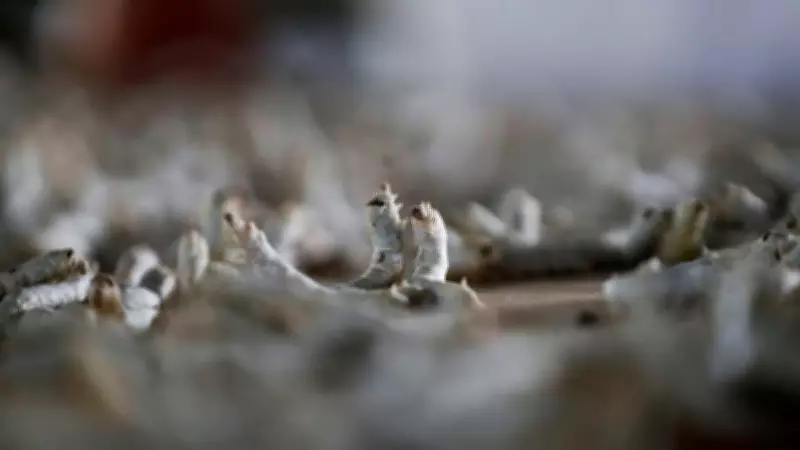
The project, named 'Jeevodaya', which translates to 'awakening of life' in Sanskrit, fundamentally alters traditional silk harvesting processes. Instead of boiling silkworms alive inside their cocoons to extract silk threads, this technique trains silkworms to lay their silk threads on flat surfaces while they feed on mulberry leaves.
This approach allows the silkworms to continue their natural development, eventually transforming into moths and completing their full life cycle. The method represents a paradigm shift in silk production, addressing long-standing ethical concerns about the industry's treatment of silkworms.

Corporate Support and Sustainable Development
The development of this humane silk technique has been made possible through the Corporate Social Responsibility (CSR) funding from Coal India Limited, one of India's largest public sector enterprises. This collaboration between a premier educational institution and a major corporation highlights the growing importance of sustainable innovation in India's industrial landscape.
The three-year pilot project demonstrates how strategic partnerships between academia and industry can drive meaningful technological advancements that balance commercial interests with ethical considerations and environmental responsibility.
Implications for the Textile Industry
This breakthrough has several important implications:
- Ethical Production: Eliminates the need to kill silkworms during silk extraction
- Sustainability: Promotes more environmentally friendly textile manufacturing
- Innovation: Demonstrates India's leadership in developing humane alternatives to traditional practices
- Industry Standards: Could potentially set new benchmarks for ethical silk production globally
The technique maintains the quality of silk while respecting the natural life cycle of silkworms, offering consumers an ethical alternative to conventional silk products.
Future Prospects and Development
As the pilot project concludes, researchers at IIT Bombay are now working to scale up the 'Jeevodaya' technique for commercial applications. The successful implementation of this method could revolutionize the silk industry, particularly in India, which is one of the world's largest producers of silk.
This development aligns with broader trends toward sustainable and cruelty-free textile production, potentially opening new markets for ethically produced silk products both domestically and internationally.






