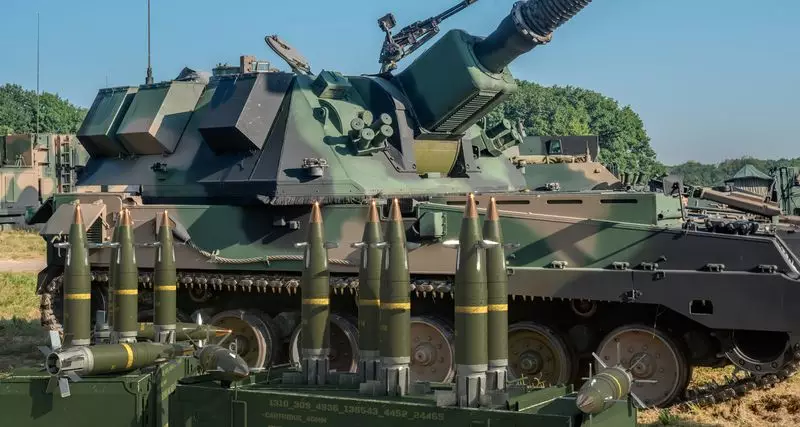
In a significant leap for indigenous defense technology, researchers at the Indian Institute of Technology Madras (IIT-M) have successfully developed a prototype for ramjet-assisted artillery shells. This groundbreaking innovation promises to extend the effective range of conventional artillery guns by a substantial 50 per cent.
The Science Behind the Range Extension
The project, led by Professor K. Ramamurthi from the Department of Aerospace Engineering, tackles a core limitation of traditional shells. Standard artillery rounds lose momentum quickly after being fired, as they are unpowered projectiles coasting on initial velocity alone. The IIT-M team's solution integrates a solid-fuel ramjet engine directly into the artillery shell.
This engine activates mid-flight, sucking in atmospheric air to combust its onboard fuel. This process generates continuous thrust, propelling the shell forward for a much longer distance. The technology effectively transforms a passive munition into a smart, air-breathing projectile, overcoming drag and maintaining high speed over its trajectory.

Strategic Advantages for the Indian Armed Forces
The development holds profound strategic implications. By boosting the range of existing artillery systems by half, the Indian Army can achieve formidable operational advantages without the immediate need for costly new gun platforms. This force multiplier effect allows artillery units to engage enemy targets from safer, stand-off distances while keeping their own positions less vulnerable to counter-battery fire.
The research, conducted at the National Wind Tunnel Facility at IIT Madras, has progressed through extensive computational simulations and wind tunnel testing. The team has validated the aerodynamic design and combustion stability of the ramjet system under various flight conditions, confirming its technical viability.
Path to Indigenization and Future Tests
This innovation aligns perfectly with India's 'Atmanirbhar Bharat' (Self-Reliant India) initiative in the critical defense sector. Developing such advanced munitions domestically reduces dependency on foreign imports, secures supply chains, and fosters a robust military-industrial ecosystem within the country.
The next crucial phase involves live-fire testing of the prototype shells in collaboration with defense partners like the Defence Research and Development Organisation (DRDO) and the Indian Army. Successful field trials will pave the way for technology transfer and eventual mass production for deployment.
The breakthrough from IIT Madras represents more than just an incremental improvement; it is a paradigm shift in artillery technology. By marrying proven artillery systems with cutting-edge aerospace propulsion, Indian scientists have created a potent and cost-effective solution that significantly enhances the nation's defensive and deterrent capabilities on the modern battlefield.