

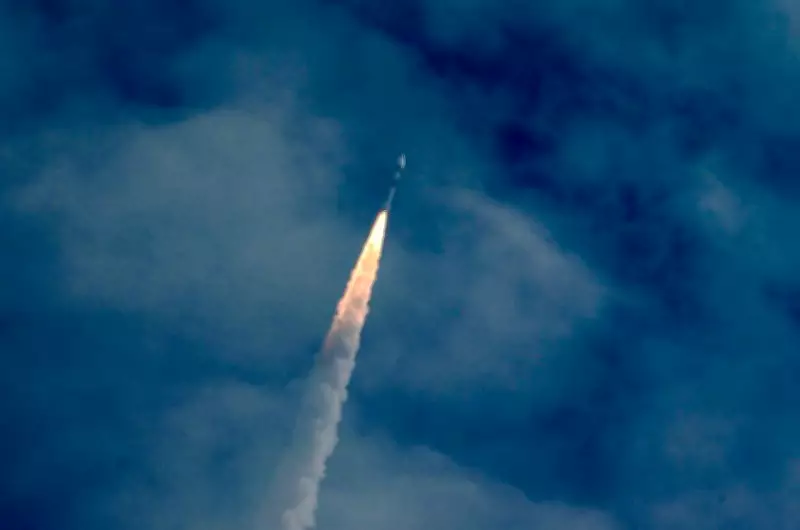
ISRO Report Details Safe Re-Entry of 36 Rocket Components
The Indian Space Research Organisation (ISRO) has released a comprehensive report confirming that 36 spent rocket parts successfully and safely re-entered Earth's atmosphere during the year 2023. This announcement highlights India's ongoing commitment to responsible space operations and the mitigation of orbital debris, a growing concern for global space agencies.
Key Findings from the Space Debris Assessment
The report, which analyzes post-mission activities and satellite disposal protocols, states that all 36 components were from previously launched missions and underwent controlled or natural atmospheric re-entry. None of the parts posed any significant risk to populated areas or aviation, as they burned up upon re-entry or descended into designated ocean zones. ISRO emphasized that this process is a standard part of its space sustainability efforts, aligning with international guidelines set by organizations like the United Nations Committee on the Peaceful Uses of Outer Space (COPUOS).
Implications for Global Space Safety and Sustainability
This development underscores the critical importance of debris management in an increasingly crowded low-Earth orbit. With thousands of defunct satellites and rocket stages orbiting the planet, the safe disposal of space hardware is essential to prevent collisions and protect active missions. ISRO's report serves as a model for transparency and accountability, showcasing how space-faring nations can track and report on debris mitigation. The agency has also outlined future strategies, including enhanced tracking systems and more efficient de-orbiting techniques, to further reduce the long-term environmental impact of space activities.

Expert Analysis and Future Directions
Space analysts have praised ISRO's proactive approach, noting that such reports contribute to a safer orbital environment. The confirmation of these re-entries comes at a time when global initiatives, such as the Net Zero Space initiative, are gaining momentum to achieve sustainable space operations by 2030. ISRO plans to continue its efforts by investing in advanced technologies for debris removal and collaborating with international partners to establish more robust space traffic management systems.






