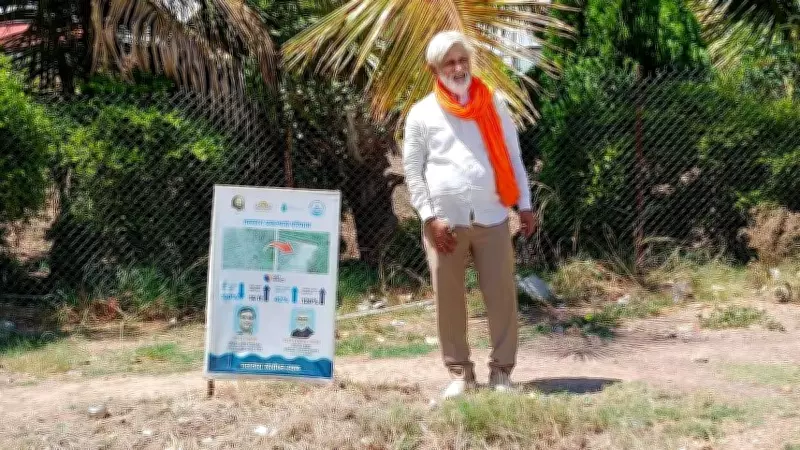
Professor turns water activist to combat drought
Dr Purushottam Wayal, a 54-year-old professor of political science, took voluntary retirement to become a water activist and campaigner. He launched the JalTara initiative to teach drought-prone villages in Jalna district how to recharge groundwater using simple recharge pits.
How JalTara works
The JalTara method involves digging small pits, typically 3 feet deep and 2 feet wide, filled with stones and gravel. These pits capture rainwater, allowing it to percolate into the ground instead of running off. According to Dr Wayal, each pit can recharge up to 10,000 litres of water annually. The initiative has been implemented in over 50 villages, with more than 5,000 pits dug so far.
Impact on water availability
Villages adopting JalTara have reported a significant rise in groundwater levels. Wells that had dried up now yield water even during summer months. Dr Wayal said, "The change is visible. Farmers who were forced to migrate now have water for irrigation. The water table has risen by 2-3 metres in some areas."

Community participation
The success of JalTara relies on community involvement. Dr Wayal conducts workshops and trains local volunteers to maintain the pits. He emphasizes that the solution is low-cost and sustainable, requiring no heavy machinery. "Each pit costs only about 500 rupees to build," he noted.
Recognition and future plans
Dr Wayal's efforts have earned him recognition from local authorities and NGOs. He plans to expand JalTara to 100 villages in the next year. He also aims to create a network of water champions who can replicate the model in other drought-prone regions of Maharashtra.