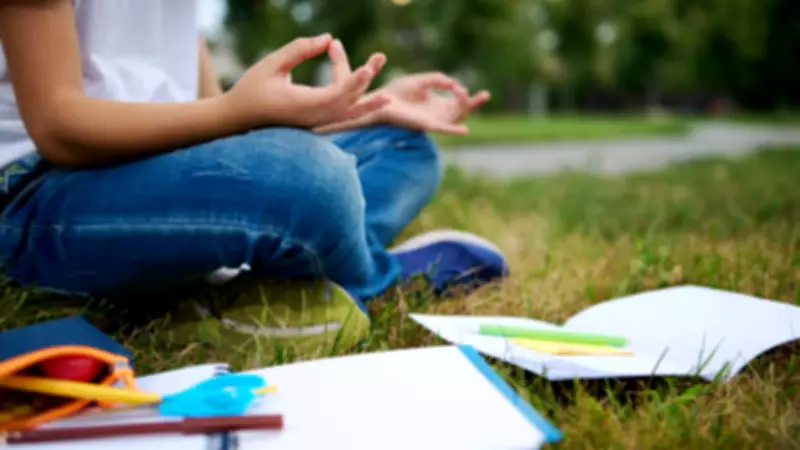
Meditation has been practiced since Vedic times in India, and it has long been believed to enhance overall life quality. Now, modern researchers writing in The International Journal of Indian Psychology have revealed that meditation improves academic performance by an impressive 60 percent. This finding strongly supports advocates of meditation and reinforces decisions by schools to incorporate this practice into educational life.
How Meditation Transforms Student Life
Meditation is a simple yet powerful tool for enhancing students' academic and personal lives. Its benefits, along with practicing Yoga, include calming the mind, improving focus, and enhancing self-awareness—all essential for academic success and beyond. Meditation brings mental clarity, helps students manage exam or study pressures, and unlocks better performance and creativity. It is also effective in managing stress, building resilience, and promoting overall life improvement.
Enhances Focus and Concentration
Meditation trains the mind to focus on the present task and eliminate distractions. Consistent practice strengthens the prefrontal cortex, responsible for concentration and decision-making. Enhanced concentration leads to better productivity and results in every aspect of a student's life.

Reduces Stress and Anxiety
Specialists note that meditation activates the parasympathetic nervous system, promoting relaxation by reducing cortisol levels. Deep breathing helps process emotions, builds resilience, and fosters stability. Cognitive functioning improves, and students develop a composed mindset that enables higher productivity.
Boosts Memory and Retention
Meditation improves neural connections crucial for learning and recalling information, dramatically enhancing memory. This is vital for problem-solving and retention, especially in stressful situations like exams. In the Indian school education system, where memory plays a key role, meditation is a great tool to cope with pressure and deliver results.
Promotes Emotional Stability
Meditation cultivates self-awareness and emotional regulation, crucial attributes for students facing multiple demands and pressures in a fast-paced economy. It enhances the brain's anterior cingulate cortex, improving emotional balance and decision-making skills, helping students handle conflicts.
Bolsters Problem-Solving Skills and Creativity
By calming the mind and reducing clutter, meditation promotes divergent thinking. It is a cornerstone for sustaining problem-solving skills, enabling students to devise innovative solutions to challenges. It also enhances cognitive flexibility to adapt to evolving developments.
Improves Sleep Quality
Meditation enhances sleep quality by promoting relaxation, keeping students fresh and ready for increasing workloads. Restful sleep provides energy and capacity to tackle new lessons and improve exam performance. It also boosts the ability to absorb new information efficiently.
Dramatically Improves Physical Health
Meditation reduces stress-related ailments such as high blood pressure, fatigue, and headaches, maintaining overall physical well-being. It lowers cortisol levels, improves immune function, and reduces chronic illness risk. Better cardiovascular health from enhanced oxygen flow enables students to concentrate better.
Increases Self-Awareness
Meditation promotes self-awareness through mindfulness and introspection, helping students objectively evaluate behaviors, emotions, and thoughts. Greater self-awareness enables realistic goal-setting, informed decisions, and alignment of activities with goals, leading to meaningful progress.
Fosters Greater Well-Being
Meditation triggers release of hormones like endorphins and serotonin, associated with happiness and relaxation, promoting a positive outlook and reducing burnout. Well-being is crucial in the current educational and economic order, where emotional stability is vital for students.

Conclusion
Overall, meditation is a transformative practice offering numerous benefits: improved focus, memory, stress management, energy, reduced anxiety, and enhanced emotional well-being. By incorporating a regular meditation routine into daily life, students can excel academically and maintain a healthy balance between studies and personal life. Ultimately, this leads to greater confidence and clarity in school, family, and society.
Mrs. Niru Agarwal, Managing Trustee, Greenwood High International School